




Logistics
Saas
Web App
BILTY 2.0; Structuring Operations Across Complex Service Networks
A unified operational platform designed to bring control, clarity, and scalability to multi-service logistics ecosystems.
Duration
12 Months
Industry
Logistics
Impact
400% Increased
Location
Pakistan
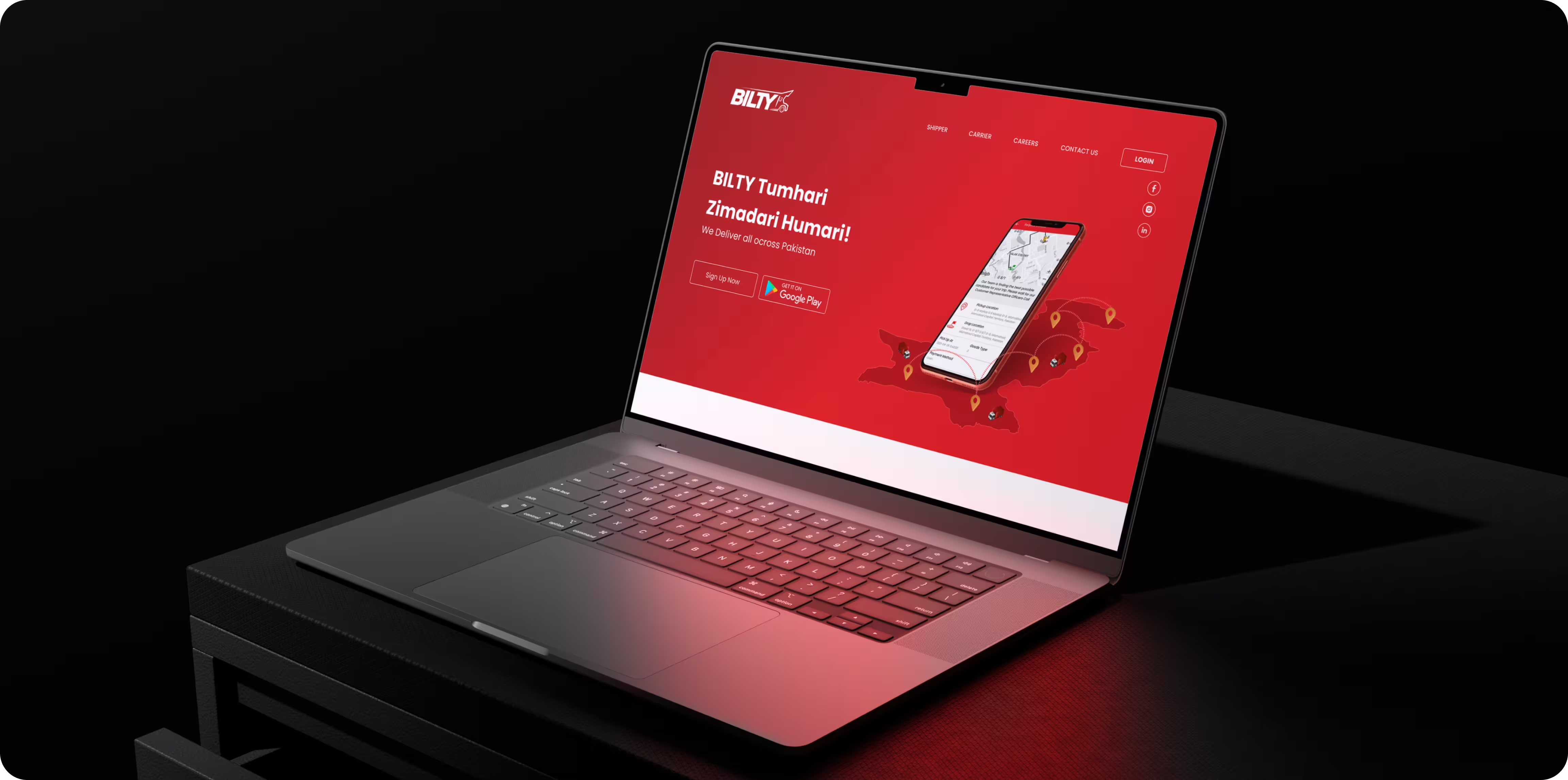
About BILTY 2.0
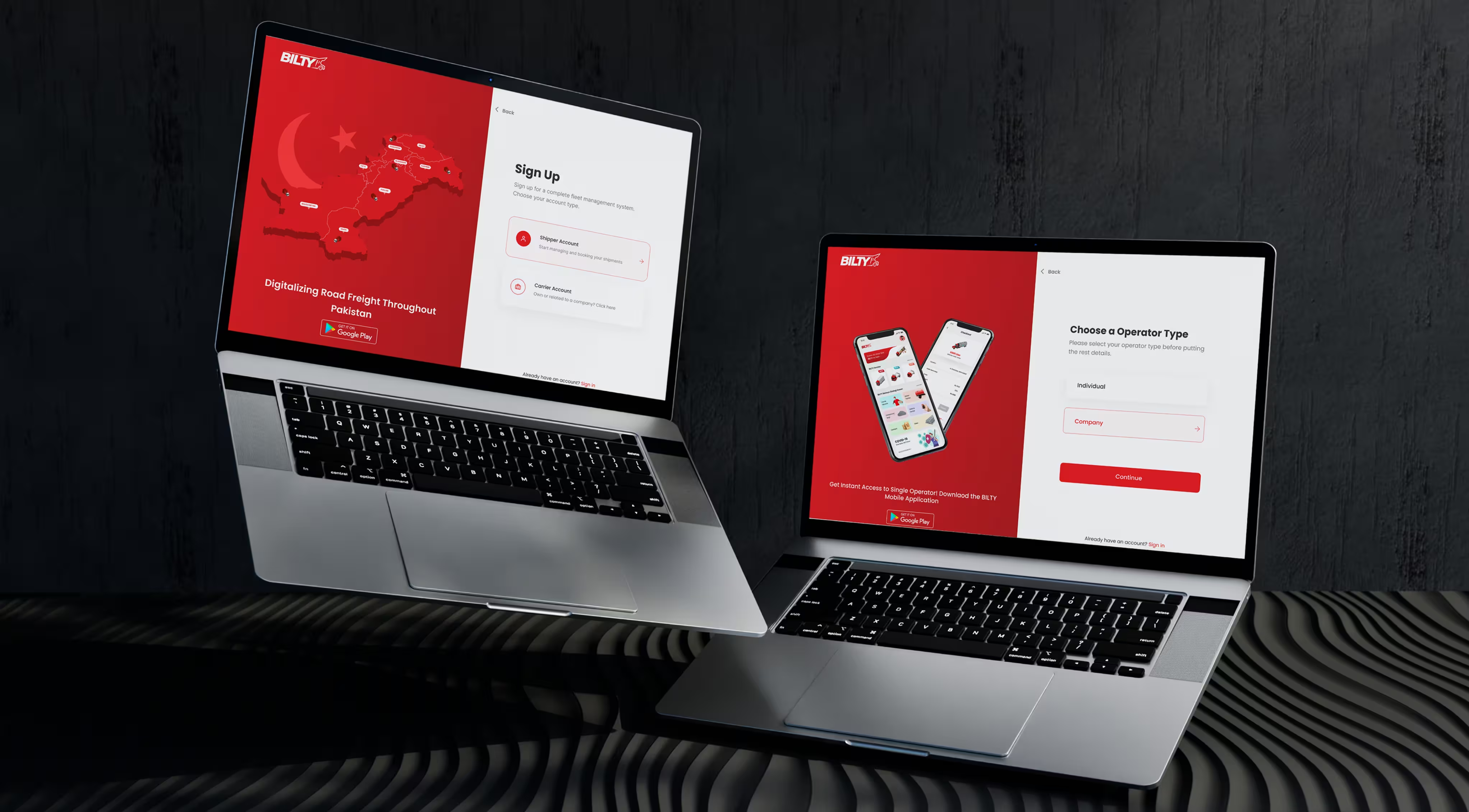
BILTY 2.0 is a full-scale redesign and system rebuild of a multi-service logistics and operations platform developed to bring structure to industries that traditionally operate through fragmented and manual processes. Designed entirely from scratch, the platform centralizes services such as logistics management, vehicle rentals, water tank supply, home shifting, and construction material handling into a single, cohesive system. The primary focus of the project was to create a scalable operational backbone that could support complex workflows, large data volumes, and real-time decision-making without compromising usability.

Client Story
The client was managing a rapidly expanding service network with increasing operational complexity, but their processes were heavily dependent on manual coordination and disconnected tools. As new service categories were added, maintaining visibility, accuracy, and control became progressively more difficult. BILTY 2.0 was initiated to replace this fragmented setup with a unified system capable of supporting growth while bringing consistency and structure to daily operations.
The Challenge
Designing BILTY 2.0 required translating real-world logistics operations into a digital system that could handle complexity without overwhelming its users. The platform needed to support multiple service types, each with distinct workflows and data requirements, while remaining accessible to non-technical operational teams. At the same time, it had to provide administrators with deep control over structured data, user roles, and operational oversight at scale.
High Operational Complexity
Managing multiple service types, each with distinct workflows and fulfillment rules.
Data Structure & Scale
Designing dashboards and listing systems capable of handling extensive, structured datasets.
Usability Across Roles
Ensuring clarity and efficiency for admins, operators, and field teams.

Undefined Product Scope:
No clear feature list, user flow, or product boundary, only a broad vision to digitize healthcare records.
No clear feature list, user flow, or product boundary, only a broad vision to digitize healthcare records.

Complex healthcare data:
Patient information spans multiple categories and sensitivities, making organization difficult.
Patient information spans multiple categories and sensitivities, making organization difficult.

Enterprise Scalability Requirements:
The product needed to work for individual practitioners while also supporting multi-doctor facilities and future expansion.
The product needed to work for individual practitioners while also supporting multi-doctor facilities and future expansion.
The Solution
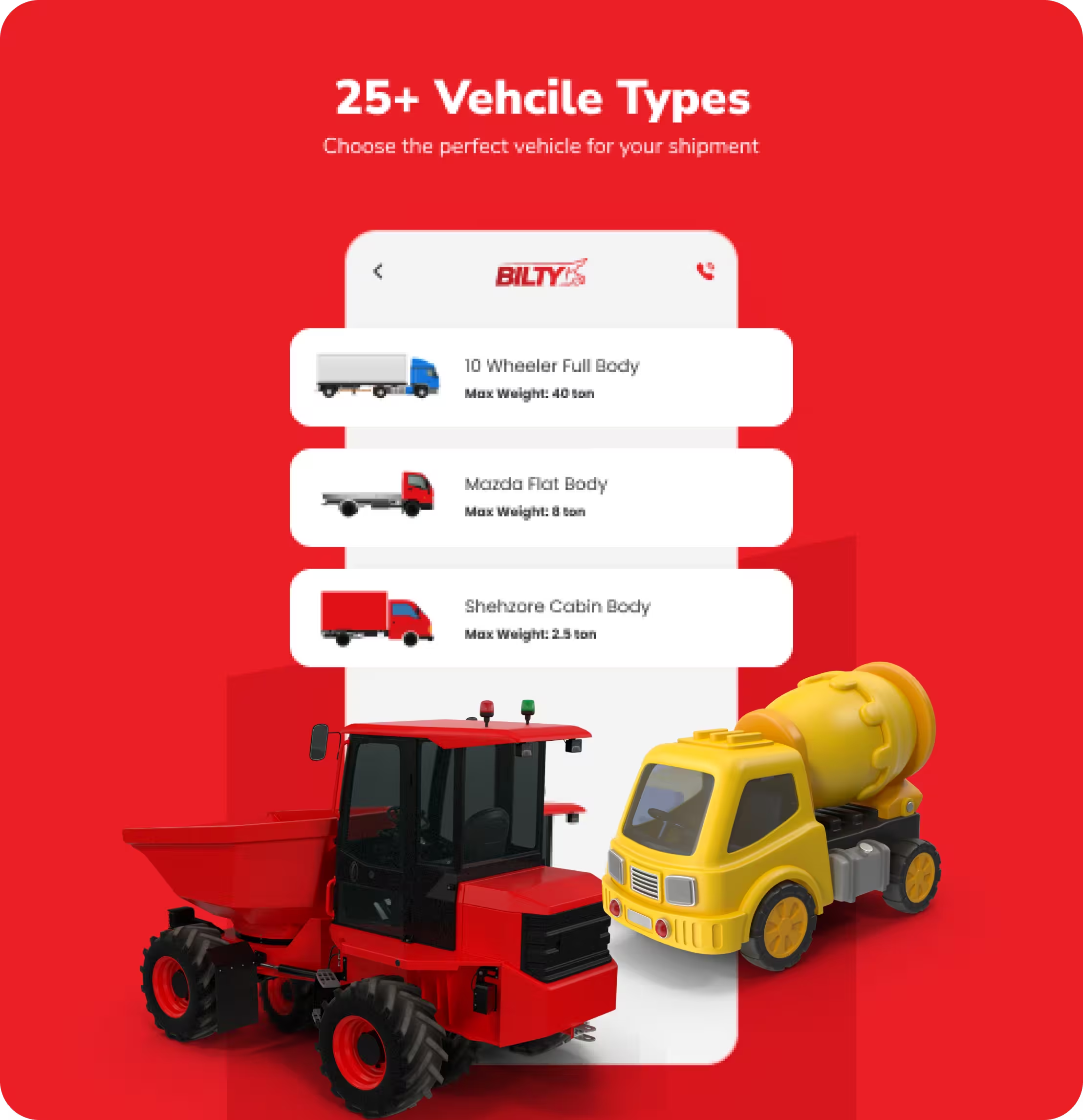
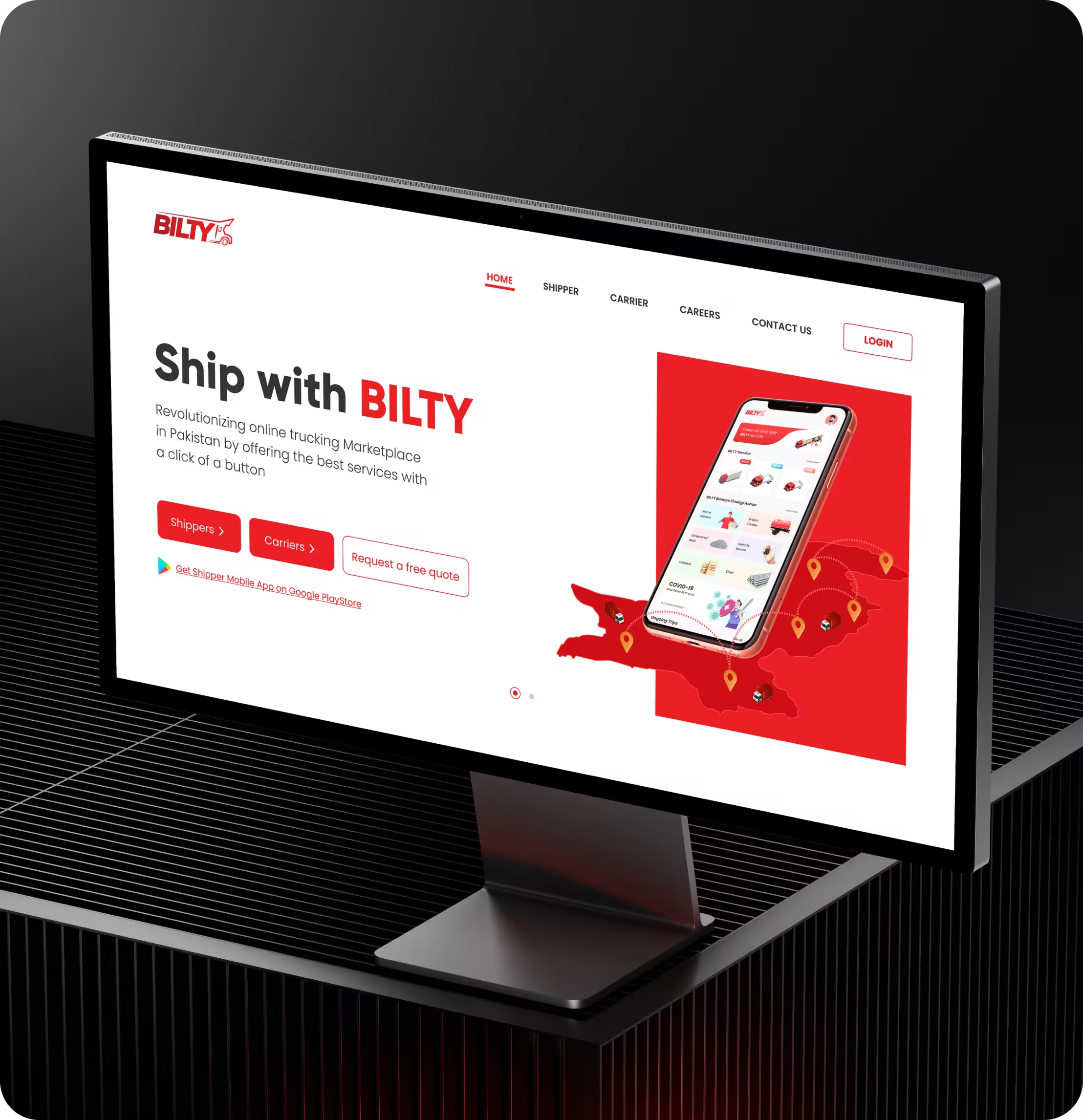
We approached BILTY 2.0 as a system-first product rather than a collection of individual features. The solution focused on standardizing workflows across services, enforcing structured data models, and introducing role-based dashboards that surface only what is relevant to each user. By allowing the system to manage complexity in the background, operational teams were able to work more efficiently while stakeholders gained clear, real-time visibility into performance and resources.


Design Process
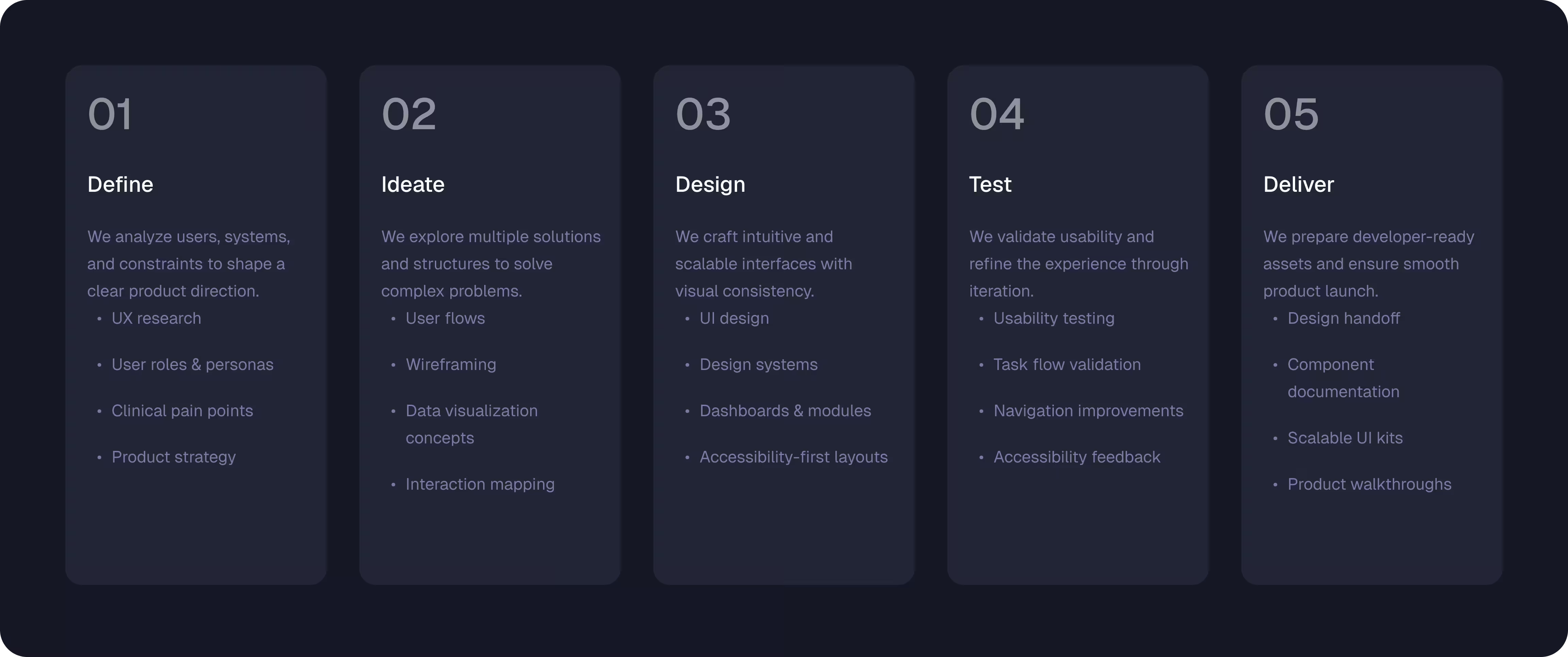
The design process was intentionally structured to reflect the operational depth of the product. Each phase focused on reducing ambiguity, strengthening system logic, and ensuring the platform could scale alongside the business.
Define
- Mapped user roles and personas
- Identified primary pain points in clinical workflows
- Audited existing record systems for gaps
- Prioritized features based on impact and feasibility
- Established compliance and privacy requirements
- Defined product scope and MVP features
Ideate

- Created multiple user flow options
- Sketched wireframes for all core screens
- Brainstormed solutions for complex data visualization
- Mapped interactions for both patients and doctors
- Explored scenarios for emergency and routine use
- Collaborated with the client for early validation
Design
- Developed high-fidelity screens with clarity-first layouts
- Structured modular patient profiles for easy navigation
- Applied consistent typography, color, and iconography
- Designed scalable doctor & facility management modules
- Created dashboards with actionable insights at a glance
- Built accessible and intuitive interactions
Test
- Conducted usability tests with mock users
- Observed task completion times and bottlenecks
- Iterated on navigation and information hierarchy
- Validated real-world clinical use cases
- Collected feedback for accessibility improvements
- Ensured error prevention in critical workflows
Deliver
- Produced a complete design system with reusable components
- Documented interactions, styles, and patterns for developers
- Delivered pixel-perfect screens ready for implementation
- Ensured scalability for multi-facility operations
- Handoff included guidelines for future feature expansion
- Supported client onboarding with product walkthroughs
Define
- Mapped the complete trademark registration lifecycle, from user intent to USPTO submission
- Identified critical failure points leading to rejections and delays
- Defined primary user groups including individuals, businesses, and repeat filers
- Established functional requirements based on legal compliance needs
- Clarified consultant involvement touchpoints within the digital flow
- Set success metrics around accuracy, completion rate, and reduced friction
Ideate
- Translated legal workflows into step-by-step digital journeys
- Structured information architecture to match user mental models
- Designed guided form logic to prevent incorrect inputs early
- Planned progressive disclosure to avoid overwhelming users
- Explored validation and review checkpoints for consultant oversight
- Aligned ideation with scalability and future feature expansion
Design
- Designed clean, structured interfaces focused on clarity and trust
- Created form-heavy layouts optimized for long data entry sessions
- Developed visual hierarchy to guide users through complex steps
- Built reusable UI components for consistency and speed
- Designed feedback states for errors, success, and progress tracking
- Ensured accessibility and readability across devices
Test
- Validated user flows for first-time and repeat applicants
- Tested edge cases related to incorrect classifications and documents
- Reviewed form logic to ensure data completeness before submission
- Iterated on copy and micro-interactions to reduce confusion
- Conducted internal usability reviews with real filing scenarios
- Refined flows based on consultant feedback and operational needs
Deliver
- Delivered a production-ready, scalable trademark filing platform
- Ensured seamless handoff between user submission and consultant review
- Optimized performance for real-time uploads and form handling
- Implemented a workflow that minimizes rejection risks
- Aligned final build with USPTO process requirements
- Launched a system designed for long-term operational efficiency
Discovery & UX Research
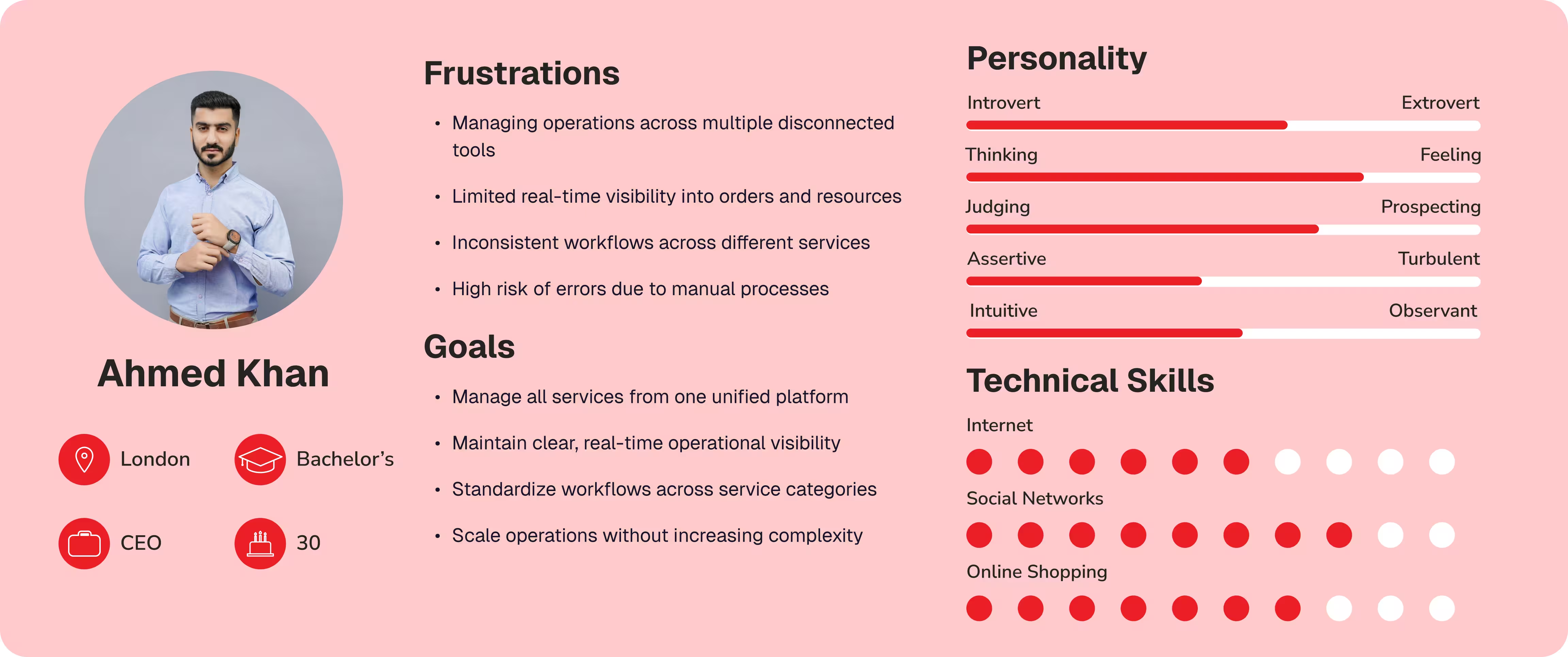
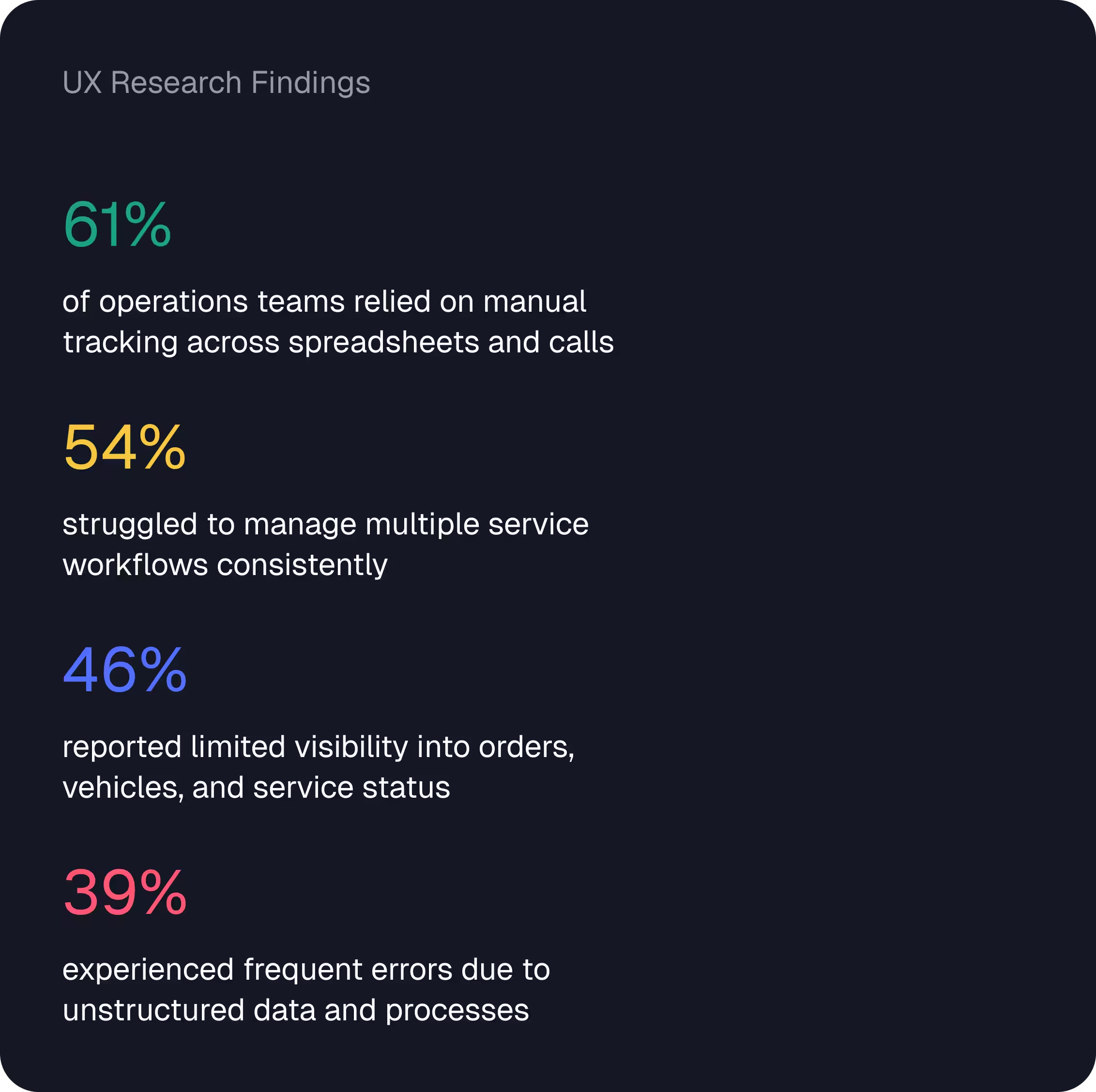
We conducted detailed observations and interviews with stakeholders, operators, and field teams to map workflows, identify bottlenecks, and understand the decision-making processes at each stage. Our research highlighted key inefficiencies in task coordination, communication gaps, and areas where digital intervention could improve accuracy and speed. These insights guided the design of dashboards, listings, and interactive components to ensure the platform is intuitive, task-focused, and aligned with actual operational practices, providing both efficiency and oversight without overwhelming users.
Style Guide & Components
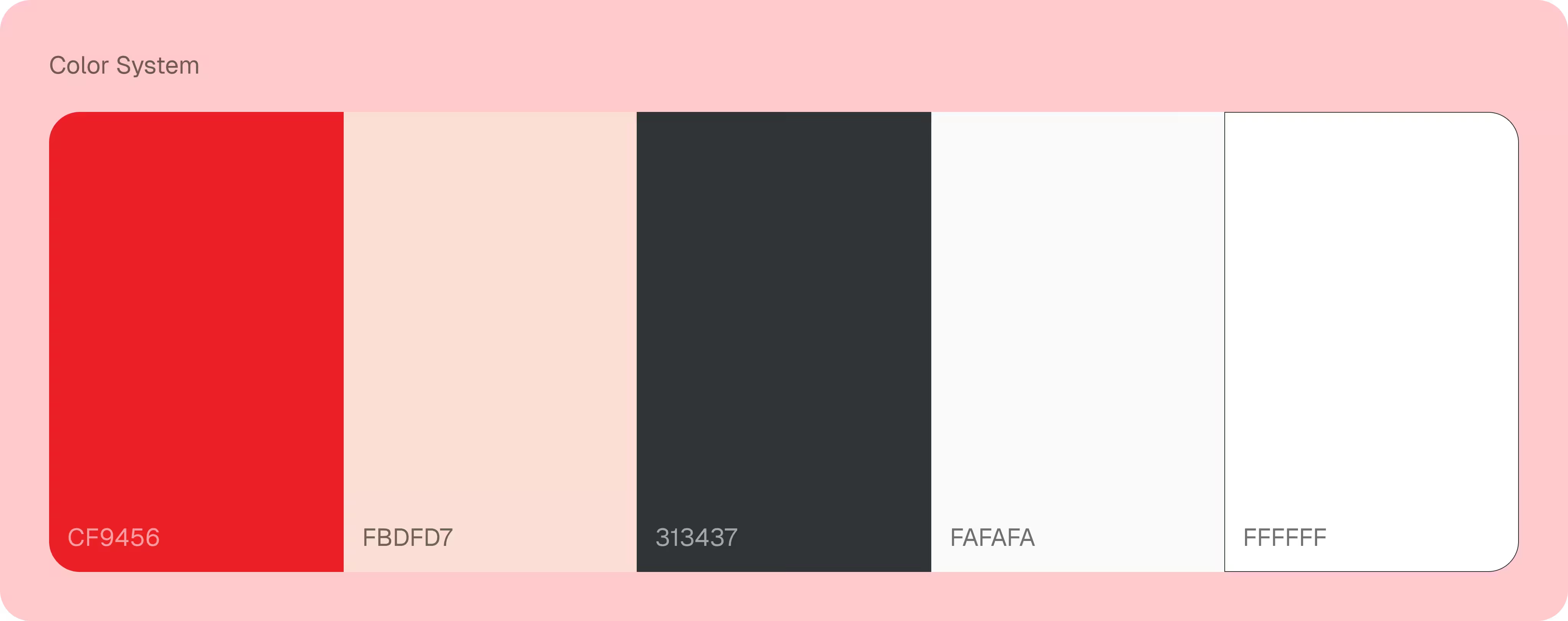
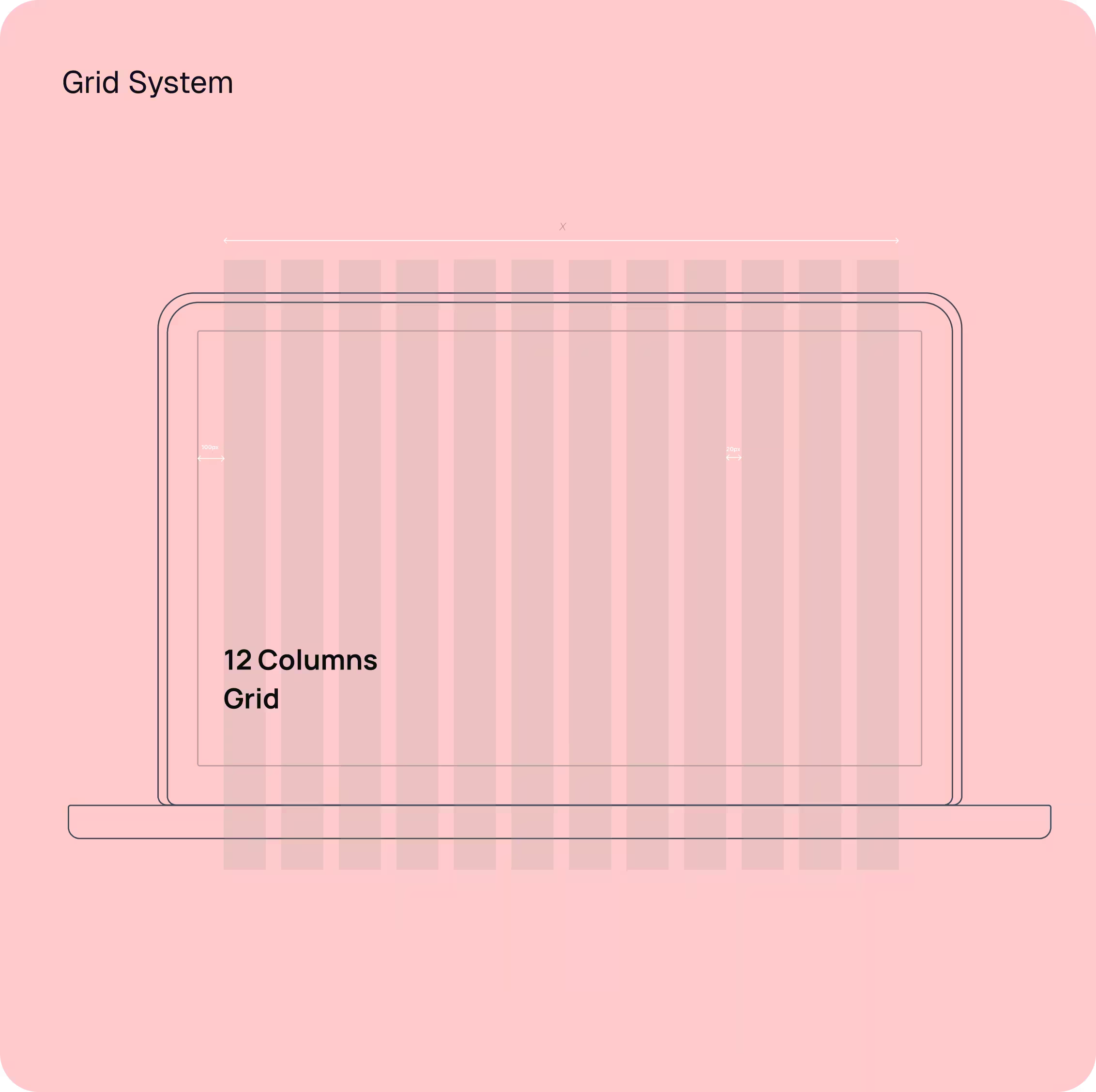
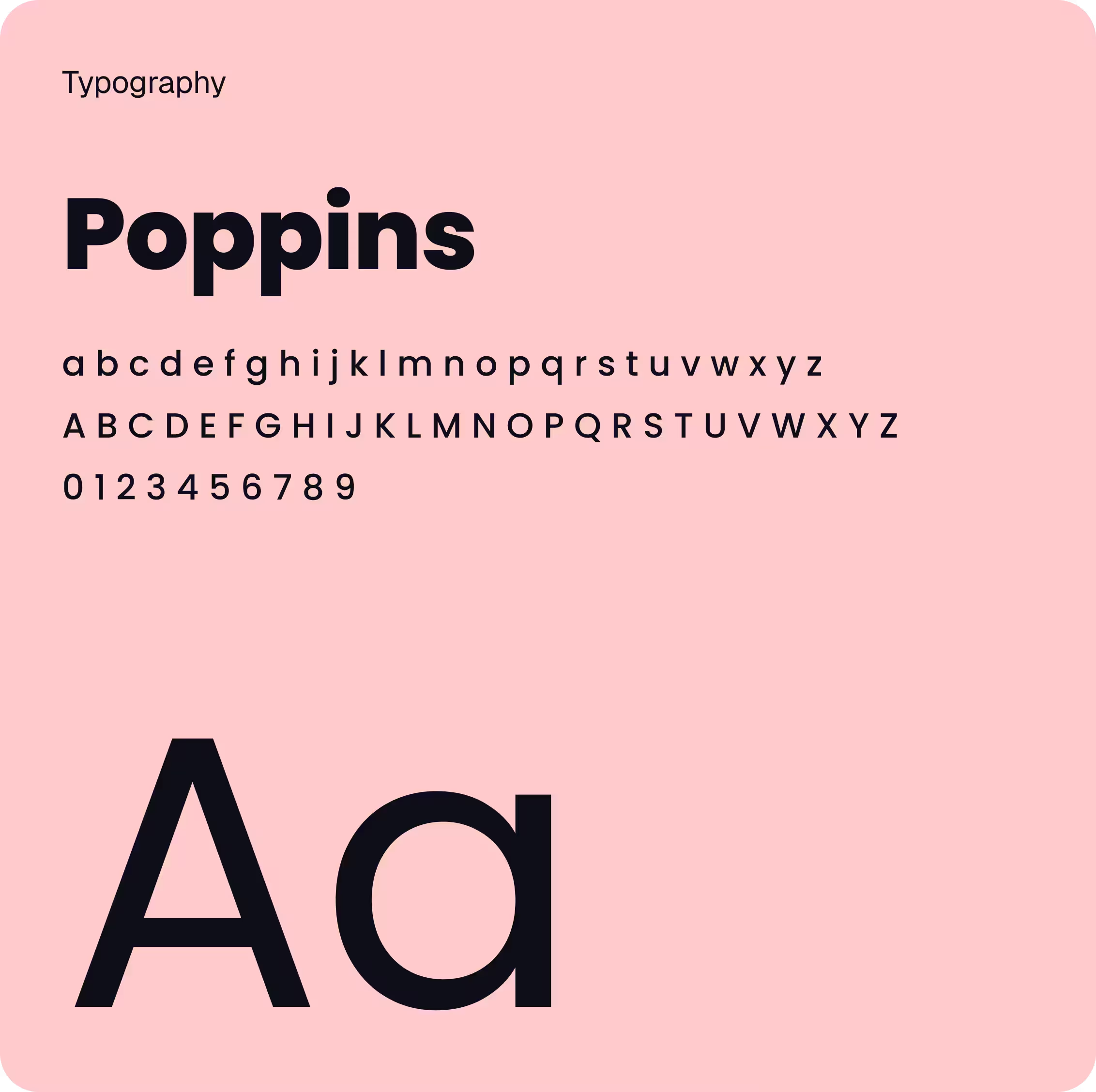
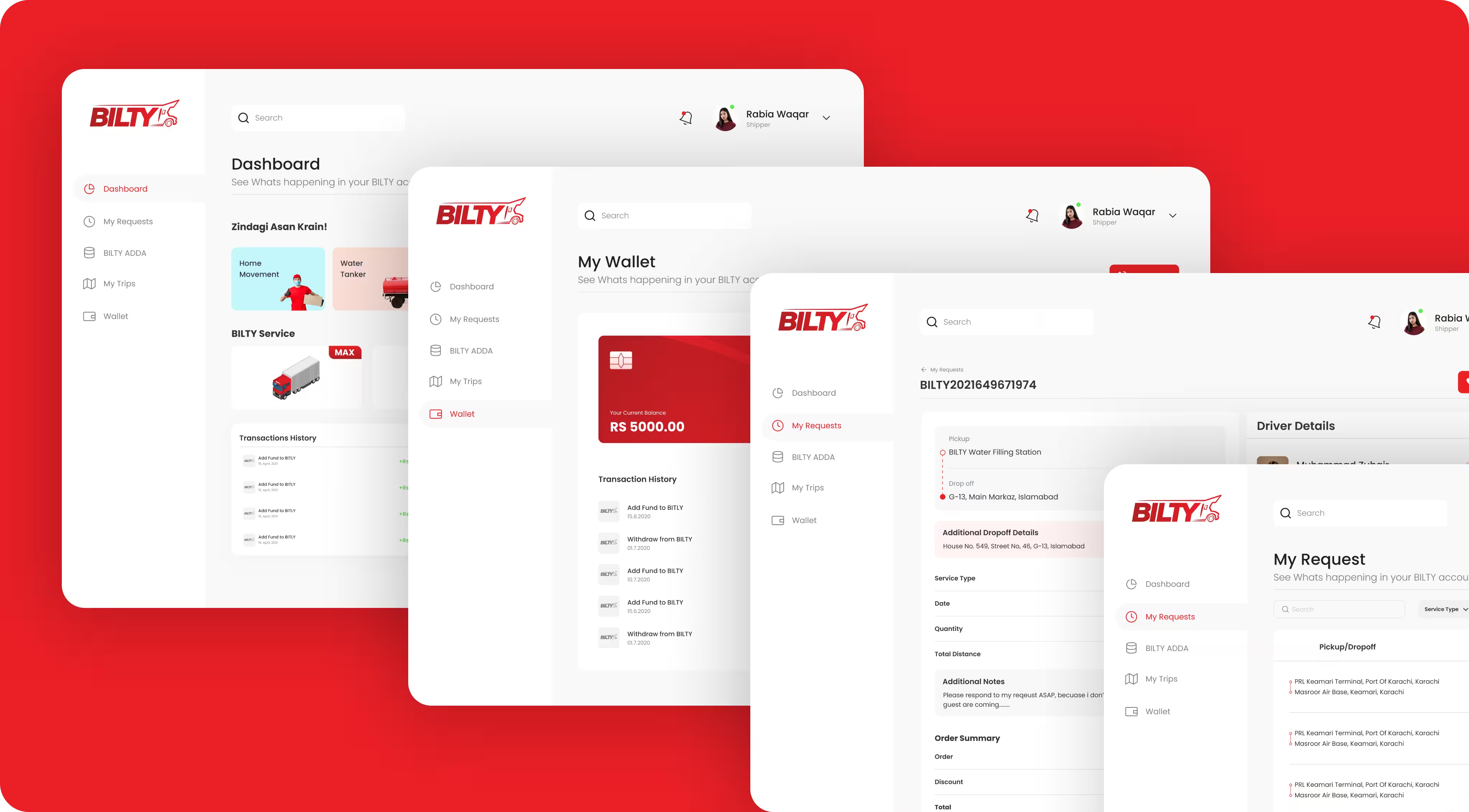
The visual system for Builty 2.0 was designed to support information-dense interfaces while maintaining clarity and consistency. A restrained color palette, strong typographic hierarchy, and clearly defined spacing rules were used to guide attention across complex screens. Reusable components for tables, forms, filters, and status indicators ensured consistency across all modules and allowed the system to scale efficiently as new services are introduced.
Let’s work together!
Bring your idea to life with design, strategy, and no-code innovation.

Final Design
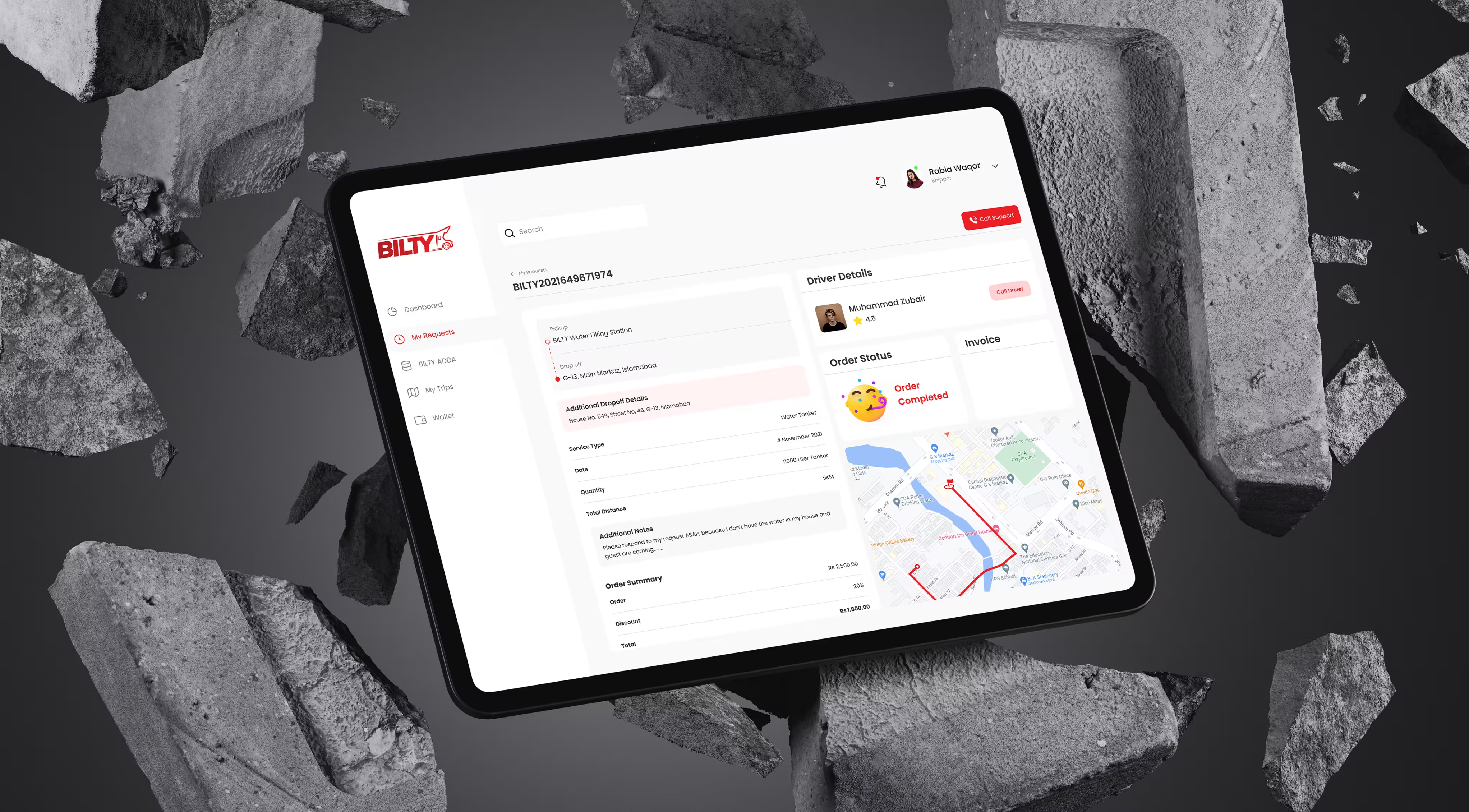
Builty 2.0 transformed a fragmented, manual-heavy operation into a centralized and structured digital platform. The system now enables multiple service categories to operate through a single interface while maintaining clarity, accountability, and operational control. By standardizing workflows and enforcing structured data, the platform reduced ambiguity, improved visibility, and created a scalable foundation capable of supporting continued growth.
Duration
1 month
Industry
Healthcare/Wellness
Impact
400% Increased Conversion
Impact
United States
Duration
1 month
Industry
Healthcare/Wellness
Impact
400% Increased Conversion
Impact
United States
The Results
- Centralized management of logistics, rentals, and material services.
- Structured dashboards capable of handling complex operational data.
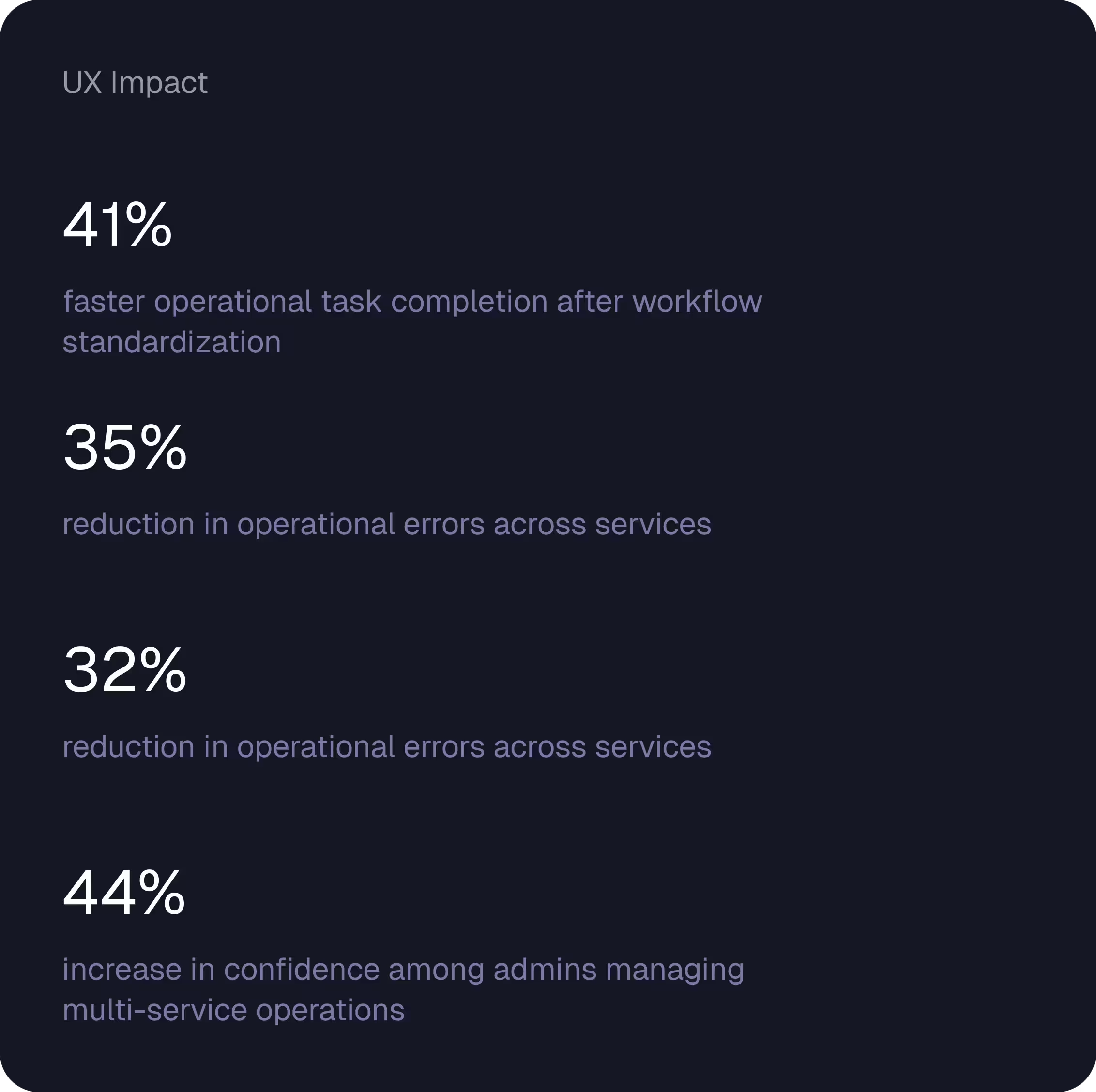
- Reduced operational errors through standardized workflows.
- Improved visibility into orders, vehicles, and service performance.
- A scalable foundation ready to support future growth and new categories.

Have a Project like this?
Turn your vision into a digital product that engages, converts, and scales.


Oops! Something went wrong while submitting the form.
