




Trademark Shark
Enterprise
Saas
Trademark Shark - All-In-One Trademark Management
Simplifying trademark registration through digital innovation, making complex legal processes seamless, accurate, and efficient
Duration
12 Months
Industry
Finance
Impact
150% Increased
Location
USA
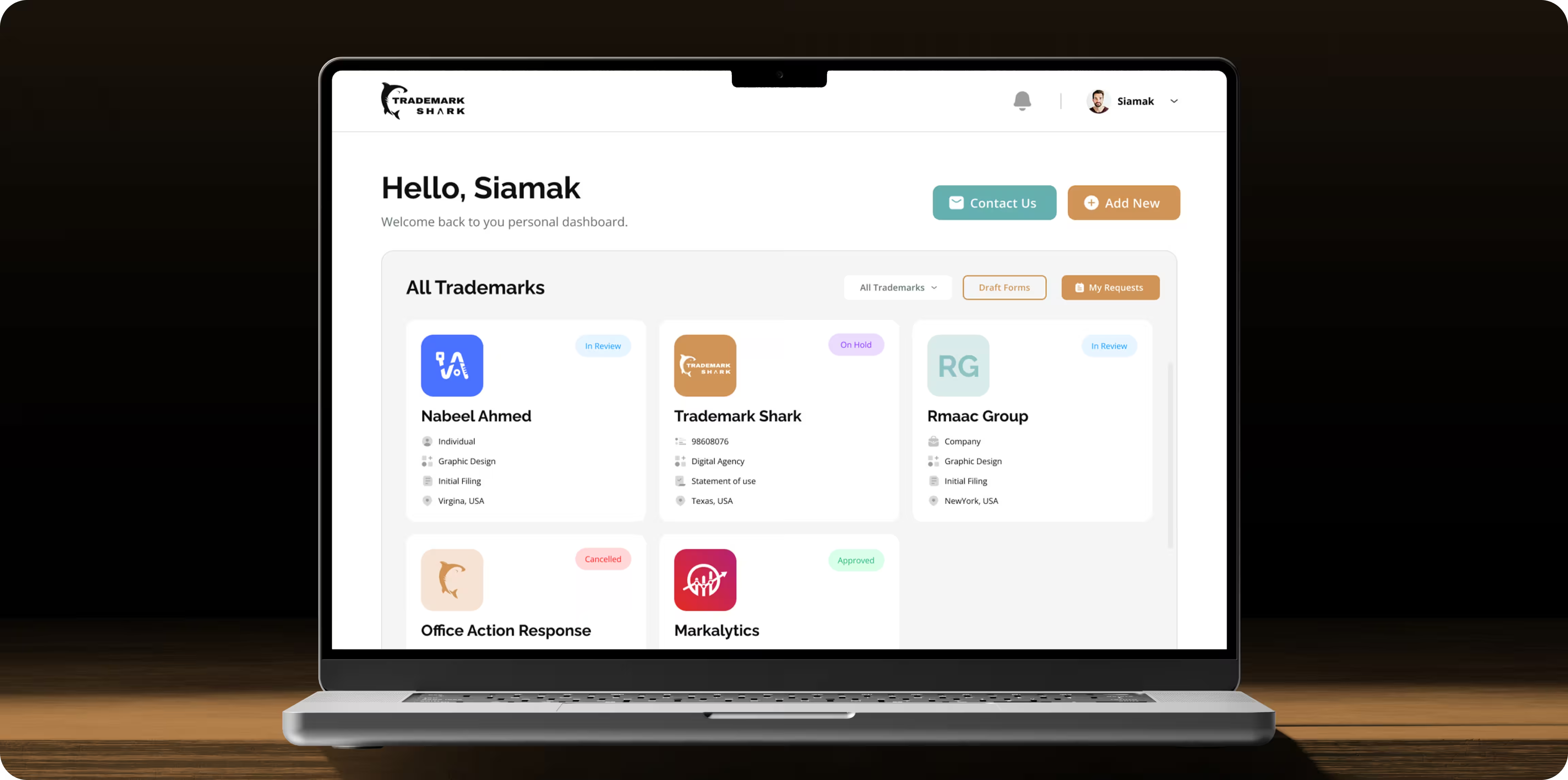
About Trademark Shark
Trademark Shark is a purpose-built digital platform designed to simplify and modernize the trademark registration journey. Built from the ground up, the product bridges the gap between individuals or businesses and the complex USPTO filing process. By combining guided data collection, document handling, and expert legal oversight, Trademark Shark transforms a traditionally fragmented legal workflow into a single, streamlined digital experience.

Client Story
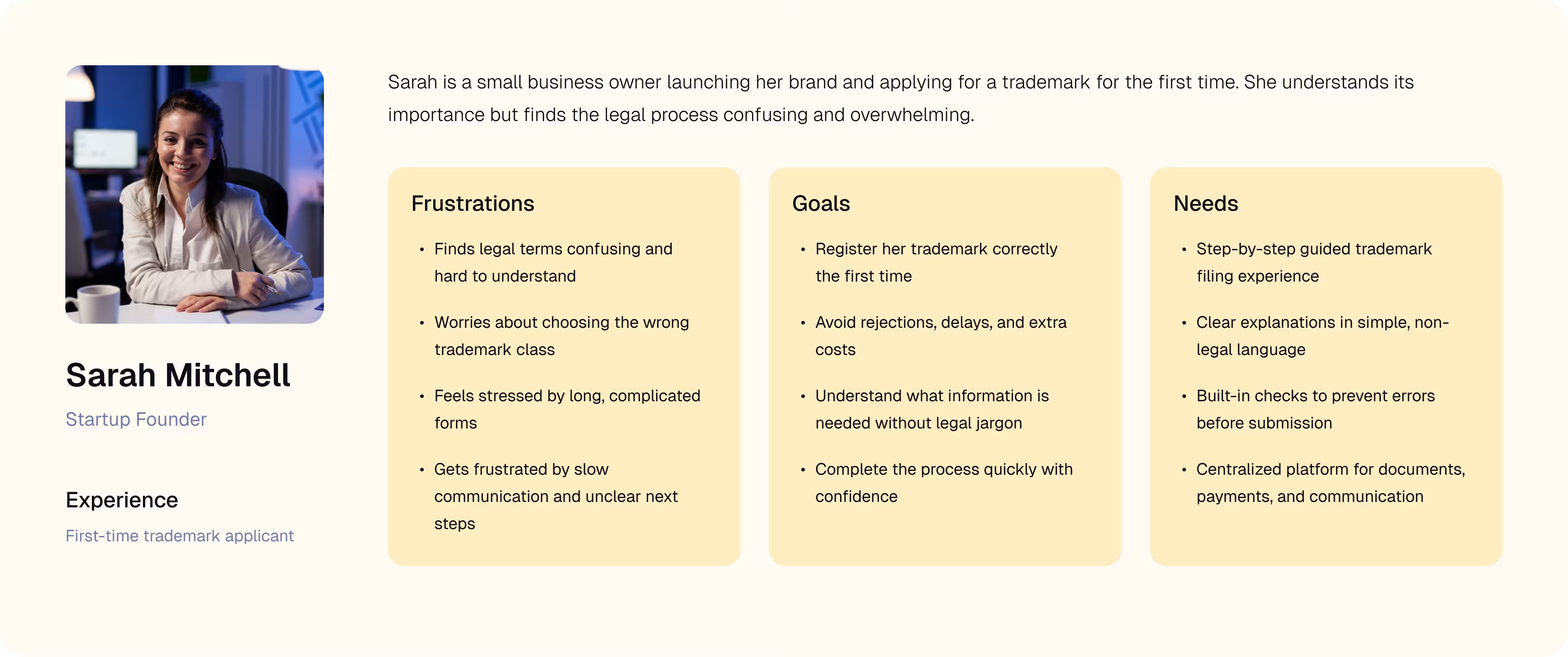
Our client is a seasoned trademark consultant with over 20 years of hands-on experience working with USPTO filings. After witnessing countless rejections, delays, and inefficiencies caused by manual processes and uninformed applicants, he envisioned a system that could standardize, simplify, and de-risk trademark registration.
The Challenge
Trademark registration is legally sensitive, detail-heavy, and unforgiving of errors. Applicants often misunderstand requirements, submit incomplete data, or choose incorrect trademark classes, thus leading to rejections and repeated filings.
Unexplained Legal Complexities
Lack of a structured, guided process for non-legal users creates unnecessary barriers in trademark attainment.
High Rejection Rate
The process has high rejection rates due to incorrect data and documentation submission.
Time-consuming Coordination
Time-consuming manual coordination between the applicant and the consultant creates unnecessary confusion.

Undefined Product Scope:
No clear feature list, user flow, or product boundary, only a broad vision to digitize healthcare records.
No clear feature list, user flow, or product boundary, only a broad vision to digitize healthcare records.

Complex healthcare data:
Patient information spans multiple categories and sensitivities, making organization difficult.
Patient information spans multiple categories and sensitivities, making organization difficult.

Enterprise Scalability Requirements:
The product needed to work for individual practitioners while also supporting multi-doctor facilities and future expansion.
The product needed to work for individual practitioners while also supporting multi-doctor facilities and future expansion.
The Solution
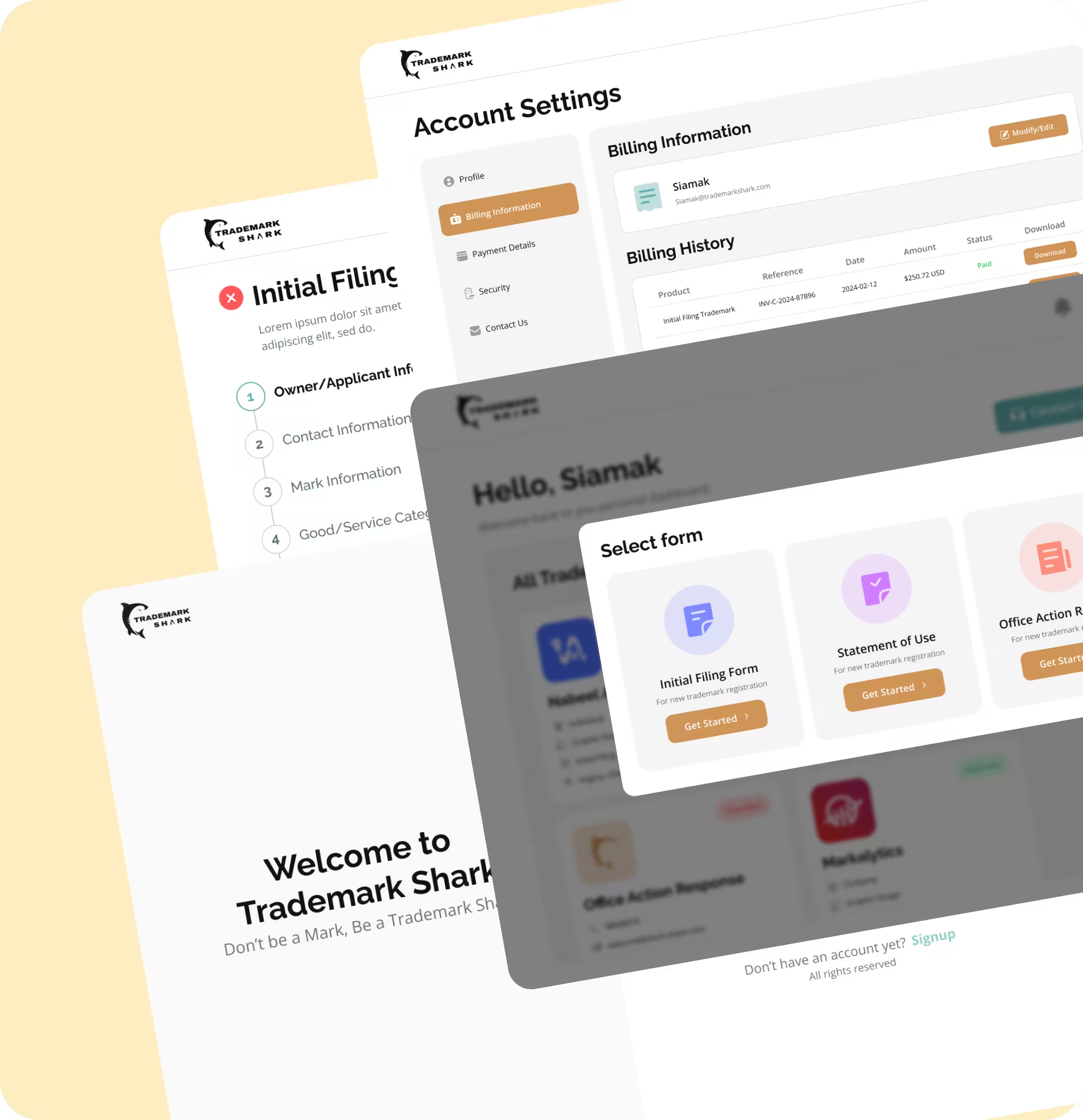
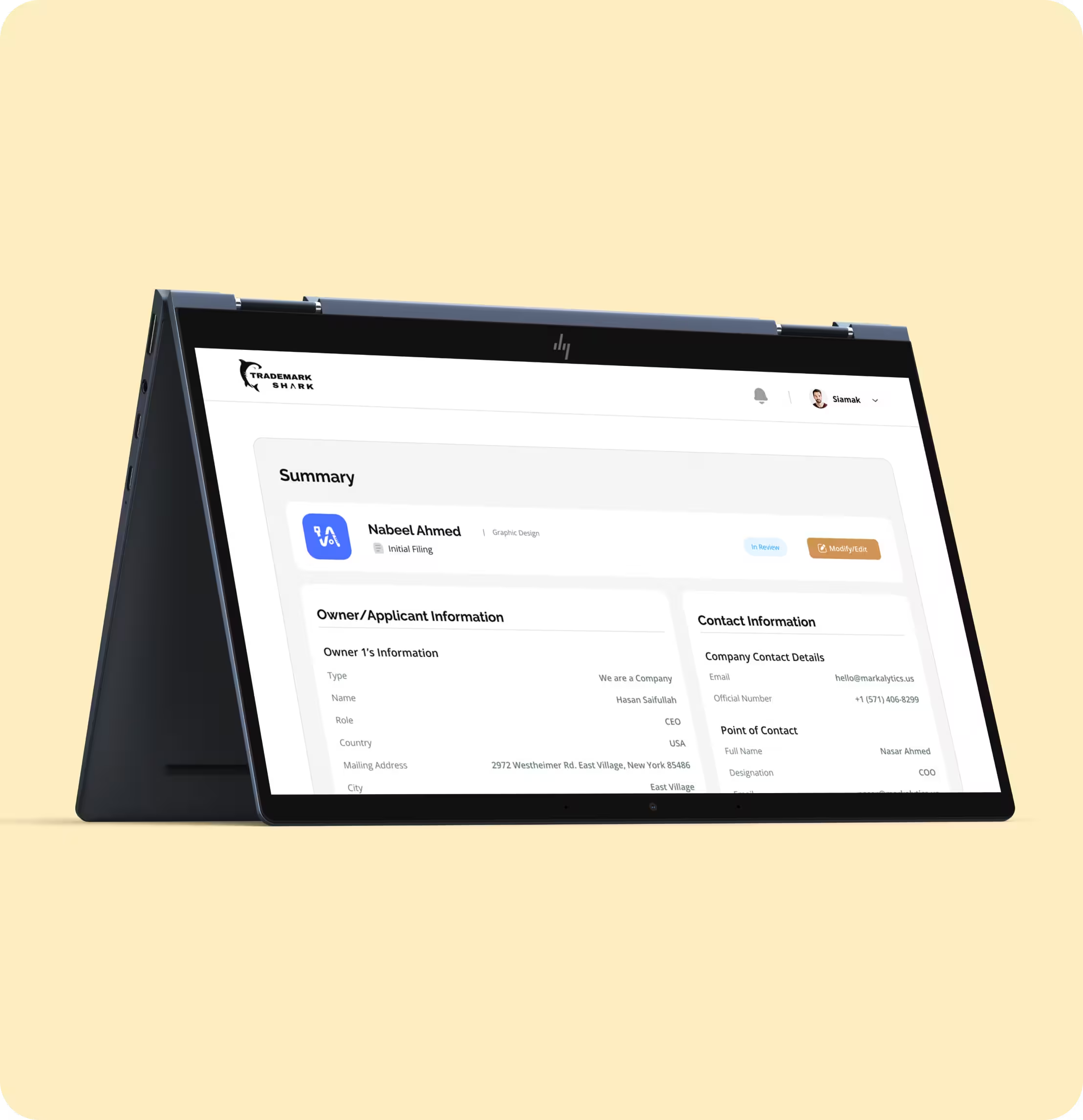
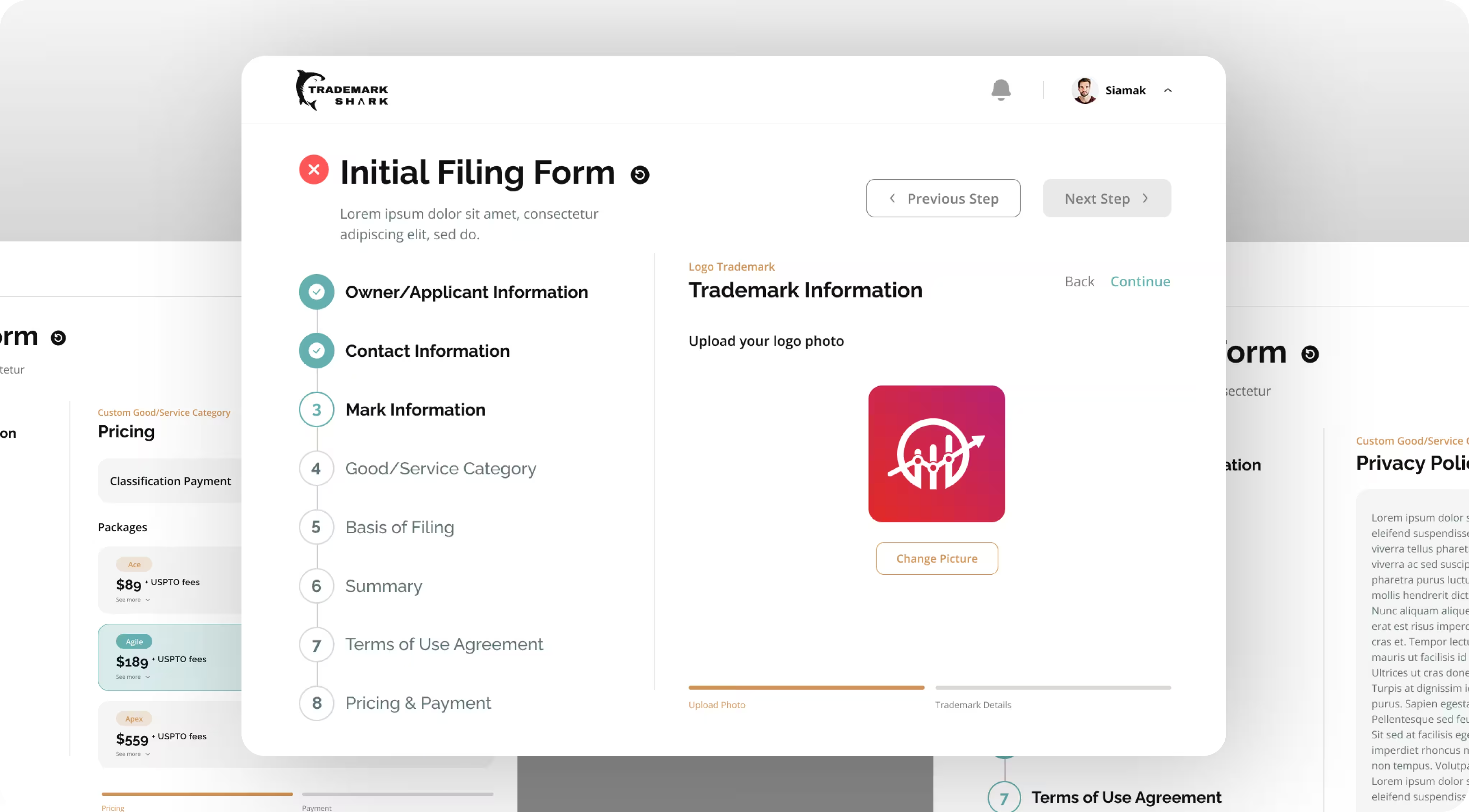
Trademark Shark was designed as an end-to-end digital workflow that mirrors the consultant’s expertise. Users create an account, submit business and trademark details through guided forms, upload supporting documents, and complete payments in one place. The consultant then reviews, resolves risks, and submits the case to USPTO. This hybrid model ensures accuracy, compliance, and efficiency. Thus, significantly reduces errors and eliminates unnecessary back-and-forth.


Design Process
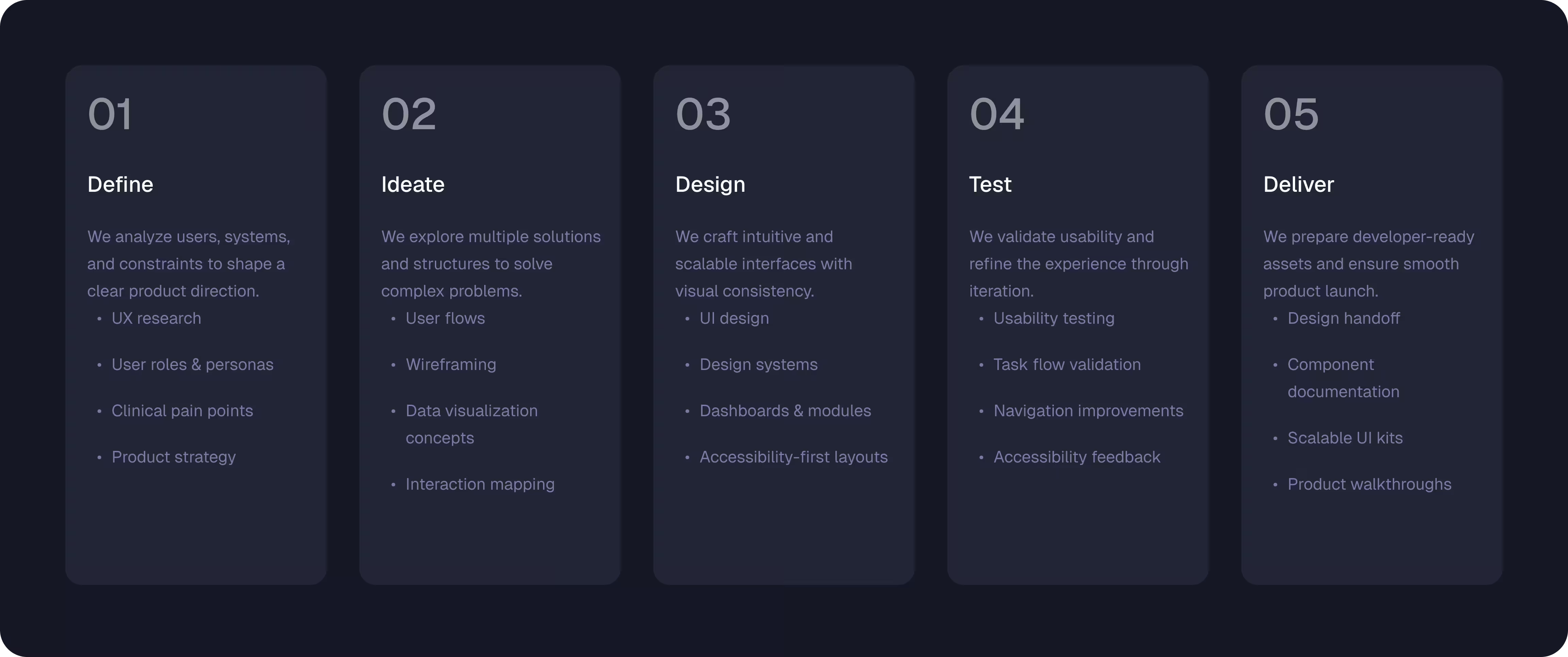
The design process for Trademark Shark was structured to translate a complex legal service into a reliable, error-resistant digital product. We followed a systematic, research-backed approach that aligned business goals, legal accuracy, and user clarity. Each phase was designed to progressively reduce uncertainty, validate decisions, and ensure the final platform could handle real-world trademark filings at scale; without compromising usability, trust, or compliance.
Define
- Mapped user roles and personas
- Identified primary pain points in clinical workflows
- Audited existing record systems for gaps
- Prioritized features based on impact and feasibility
- Established compliance and privacy requirements
- Defined product scope and MVP features
Ideate

- Created multiple user flow options
- Sketched wireframes for all core screens
- Brainstormed solutions for complex data visualization
- Mapped interactions for both patients and doctors
- Explored scenarios for emergency and routine use
- Collaborated with the client for early validation
Design
- Developed high-fidelity screens with clarity-first layouts
- Structured modular patient profiles for easy navigation
- Applied consistent typography, color, and iconography
- Designed scalable doctor & facility management modules
- Created dashboards with actionable insights at a glance
- Built accessible and intuitive interactions
Test
- Conducted usability tests with mock users
- Observed task completion times and bottlenecks
- Iterated on navigation and information hierarchy
- Validated real-world clinical use cases
- Collected feedback for accessibility improvements
- Ensured error prevention in critical workflows
Deliver
- Produced a complete design system with reusable components
- Documented interactions, styles, and patterns for developers
- Delivered pixel-perfect screens ready for implementation
- Ensured scalability for multi-facility operations
- Handoff included guidelines for future feature expansion
- Supported client onboarding with product walkthroughs
Define
- Mapped the complete trademark registration lifecycle, from user intent to USPTO submission
- Identified critical failure points leading to rejections and delays
- Defined primary user groups including individuals, businesses, and repeat filers
- Established functional requirements based on legal compliance needs
- Clarified consultant involvement touchpoints within the digital flow
- Set success metrics around accuracy, completion rate, and reduced friction
Ideate
- Translated legal workflows into step-by-step digital journeys
- Structured information architecture to match user mental models
- Designed guided form logic to prevent incorrect inputs early
- Planned progressive disclosure to avoid overwhelming users
- Explored validation and review checkpoints for consultant oversight
- Aligned ideation with scalability and future feature expansion
Design
- Designed clean, structured interfaces focused on clarity and trust
- Created form-heavy layouts optimized for long data entry sessions
- Developed visual hierarchy to guide users through complex steps
- Built reusable UI components for consistency and speed
- Designed feedback states for errors, success, and progress tracking
- Ensured accessibility and readability across devices
Test
- Validated user flows for first-time and repeat applicants
- Tested edge cases related to incorrect classifications and documents
- Reviewed form logic to ensure data completeness before submission
- Iterated on copy and micro-interactions to reduce confusion
- Conducted internal usability reviews with real filing scenarios
- Refined flows based on consultant feedback and operational needs
Deliver
- Delivered a production-ready, scalable trademark filing platform
- Ensured seamless handoff between user submission and consultant review
- Optimized performance for real-time uploads and form handling
- Implemented a workflow that minimizes rejection risks
- Aligned final build with USPTO process requirements
- Launched a system designed for long-term operational efficiency
UX Research
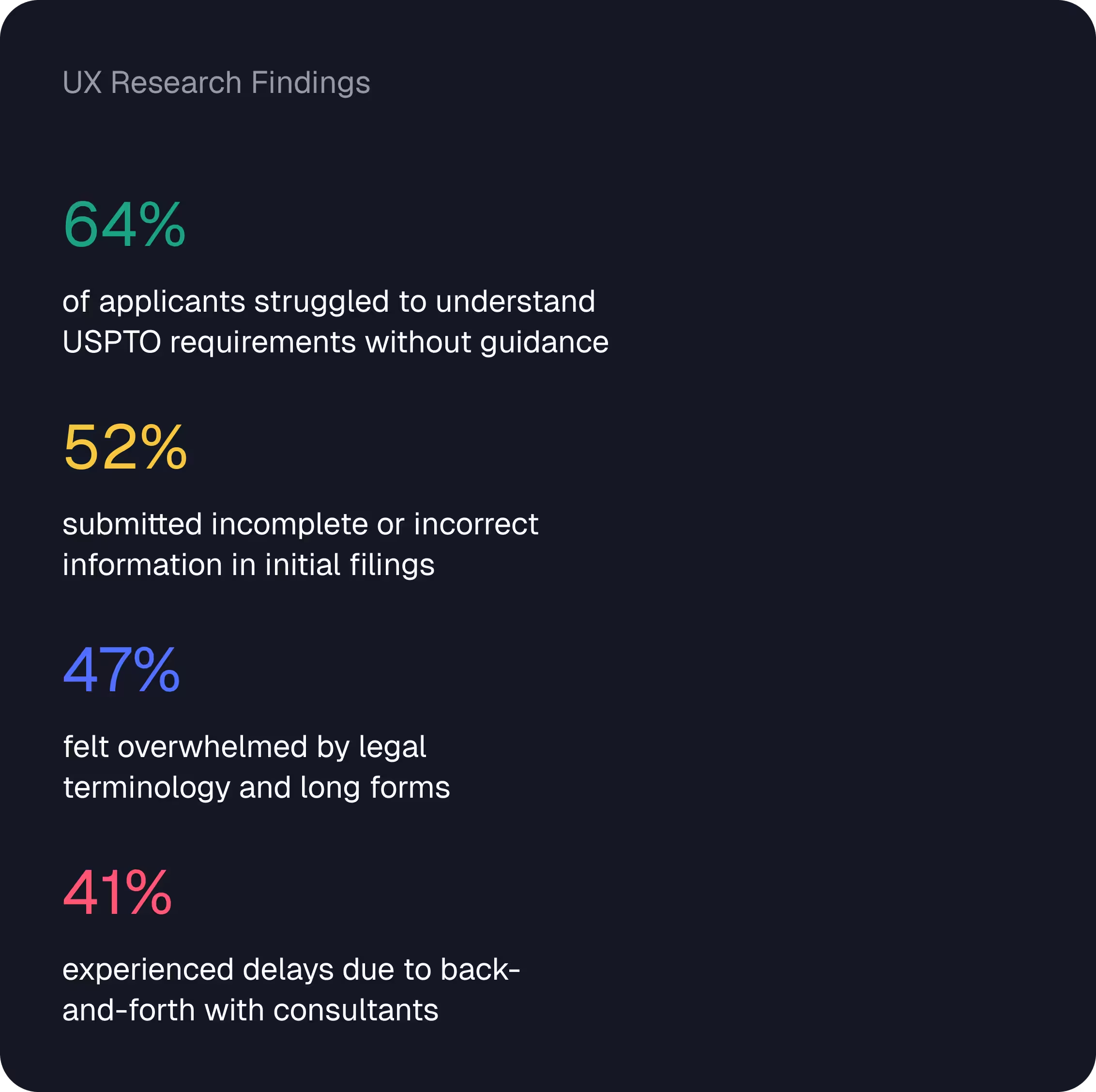
Our discovery phase focused on understanding why trademark applications fail and where users struggle most in the USPTO filing process. We analyzed real filing scenarios, common rejection causes, and consultant-led correction workflows to identify critical UX risk points. Research emphasized reducing cognitive load, preventing incorrect classifications, and guiding users toward legally sound inputs. These insights directly shaped the information architecture, form logic, validation rules, and review checkpoints, ensuring the experience felt simple for users while remaining legally precise and operationally efficient.
Style Guide & Components
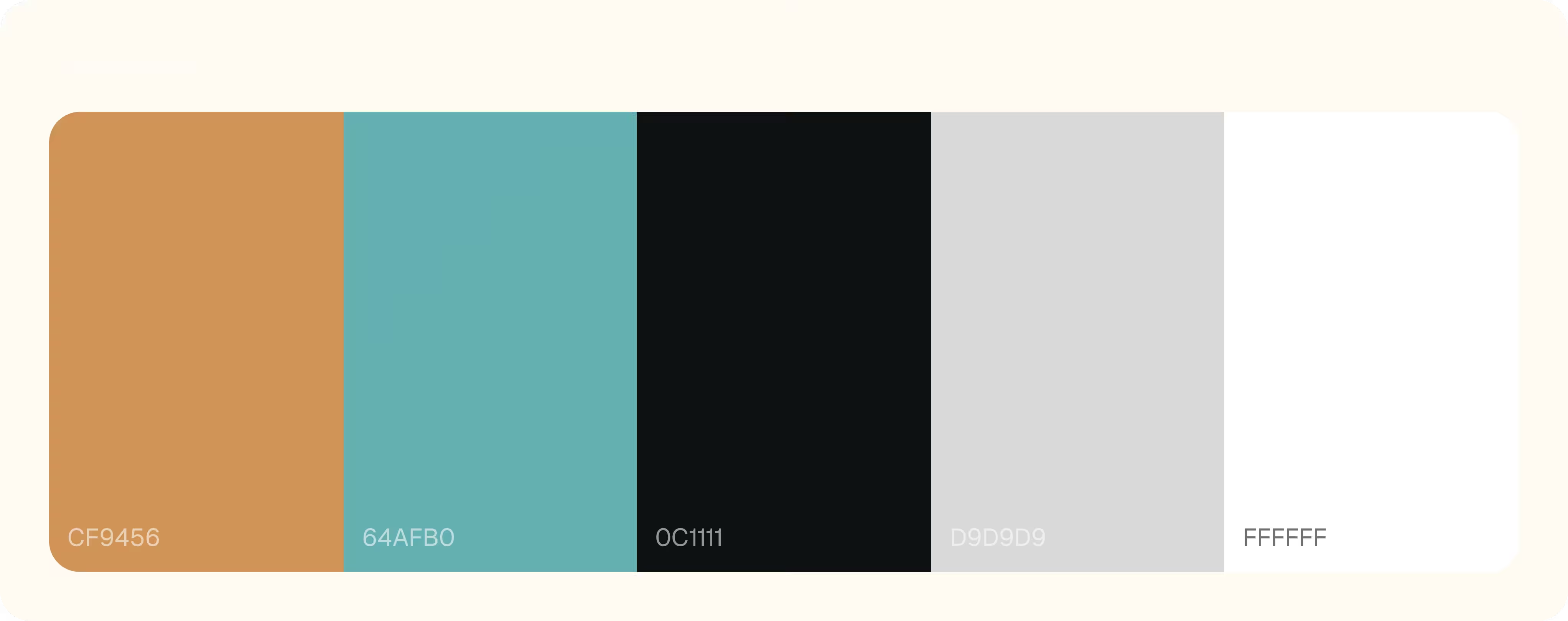
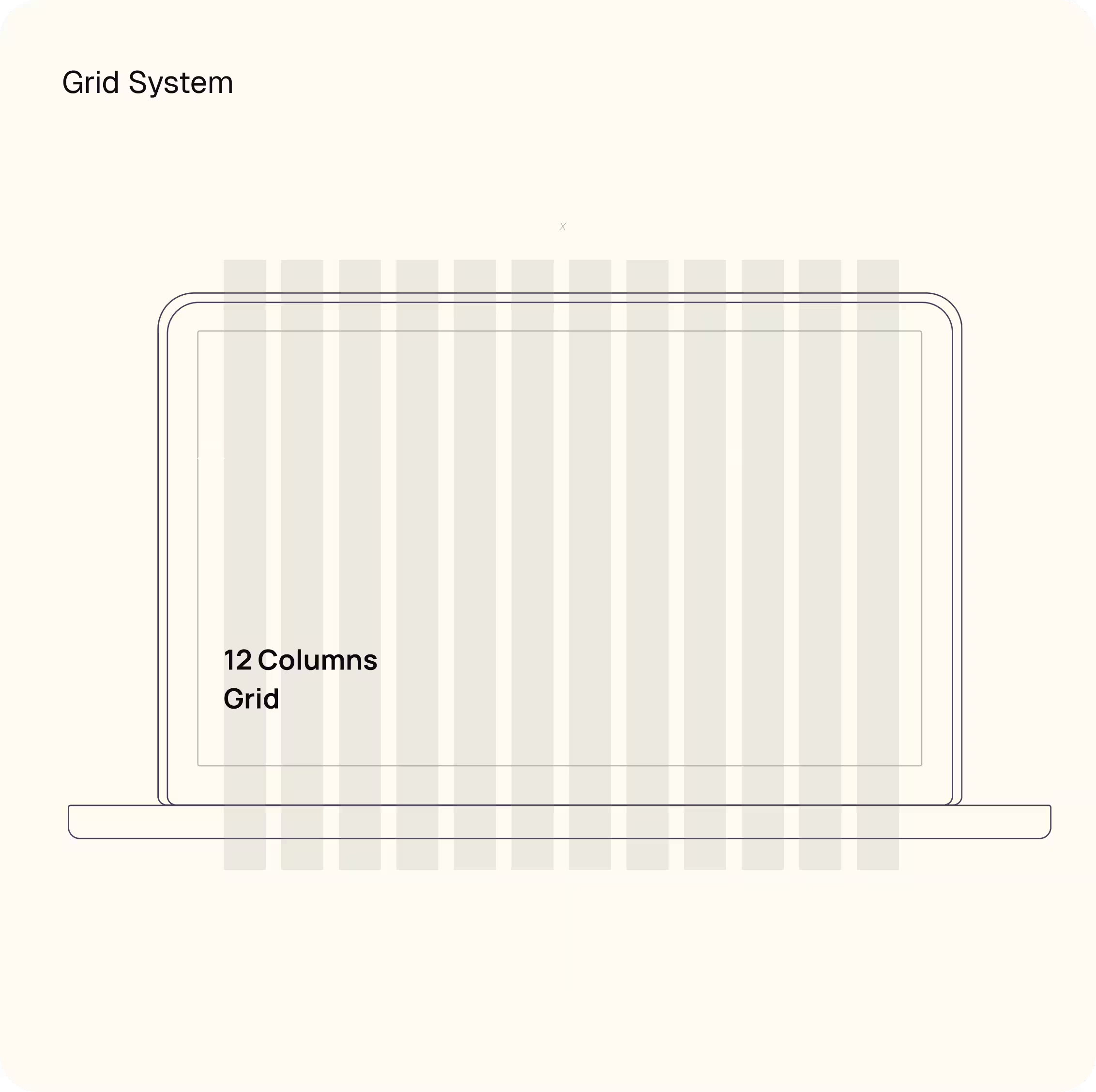
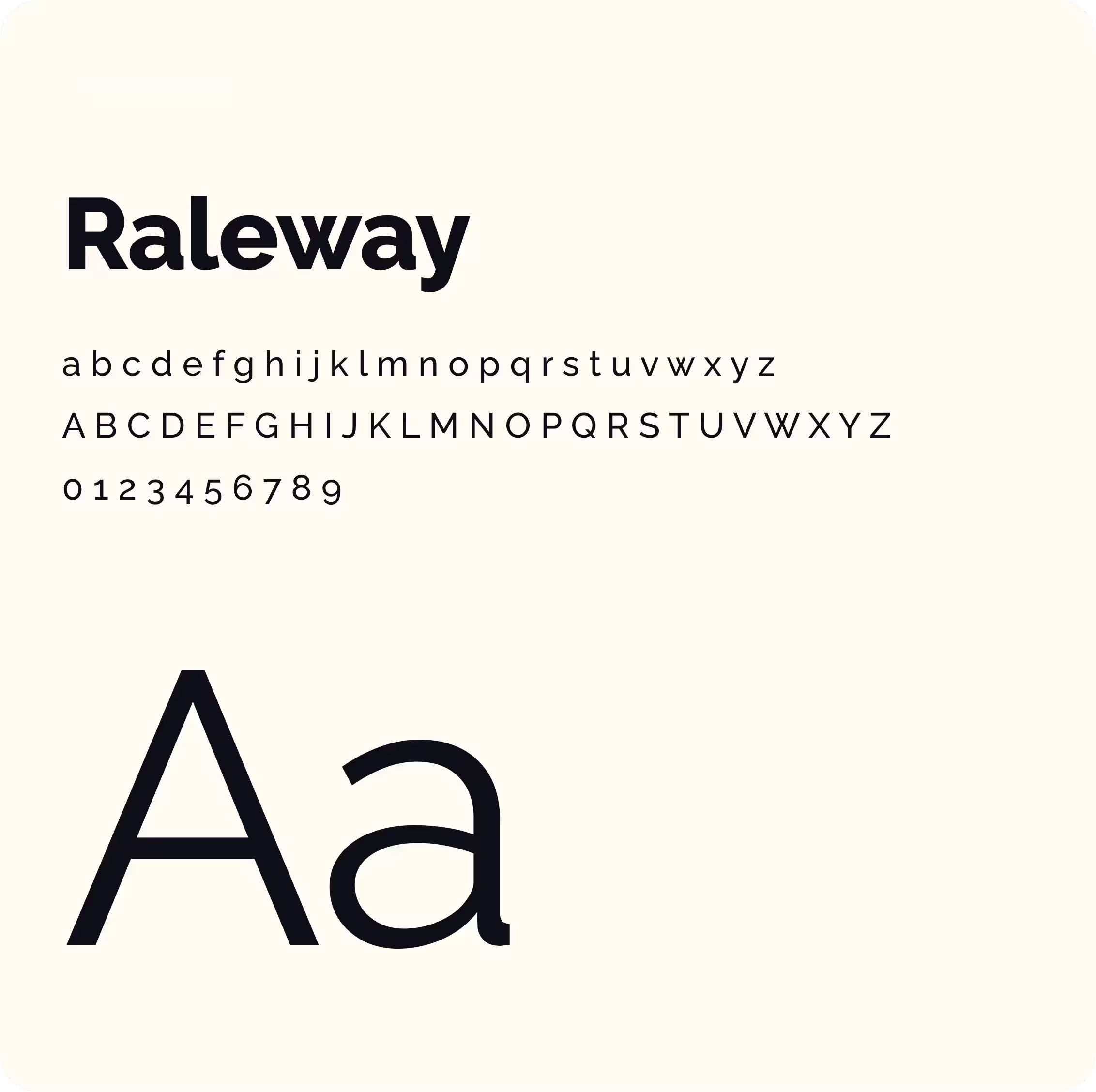
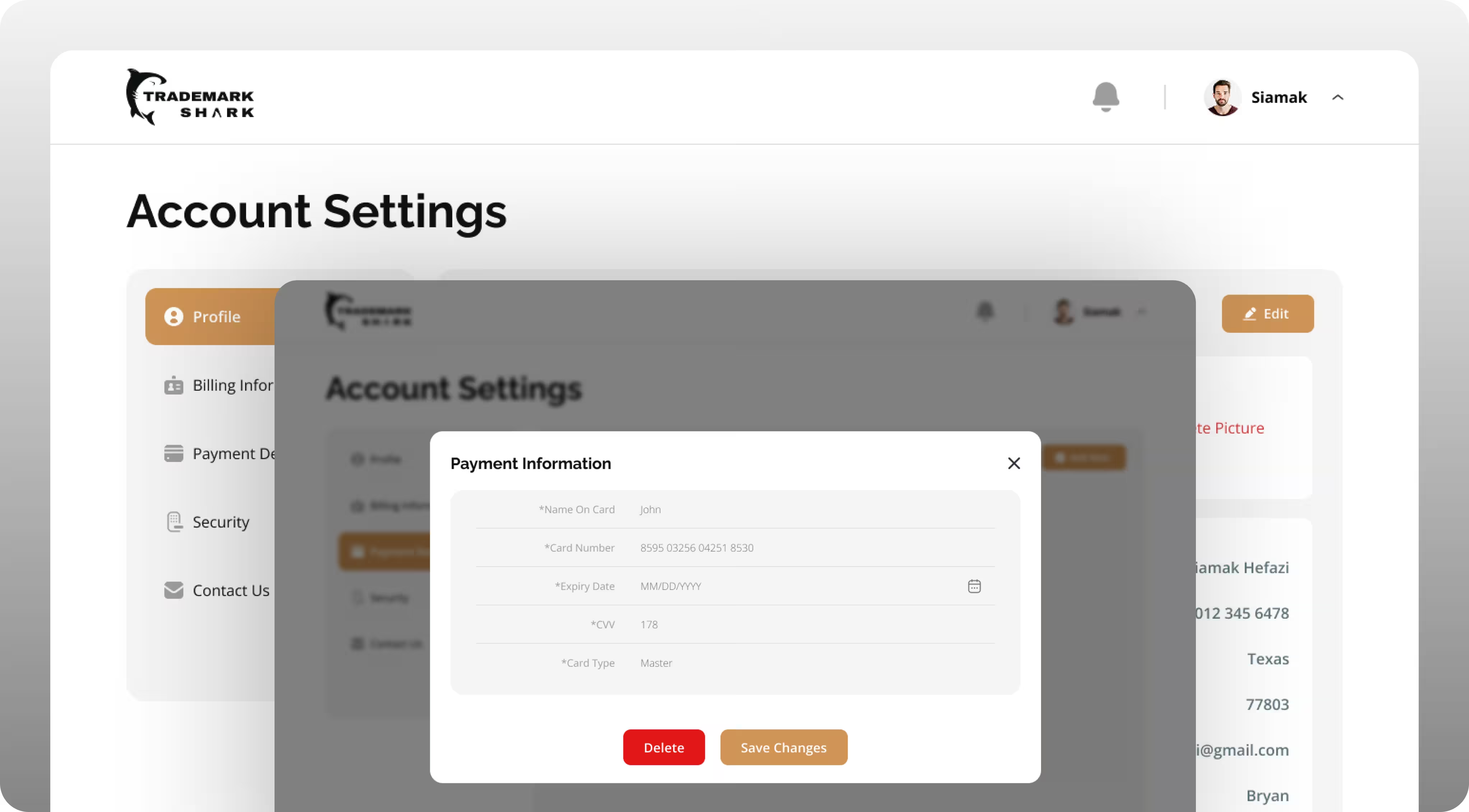
Trademark Shark follows a clean, professional visual language inspired by legal credibility and digital simplicity. Neutral color palettes, structured layouts, and consistent form components ensure clarity and trust. Reusable UI components, clear CTAs, progress indicators, and validation states were designed to support long, detail-oriented workflows without user fatigue.
Let’s work together!
Bring your idea to life with design, strategy, and no-code innovation.

Final Design
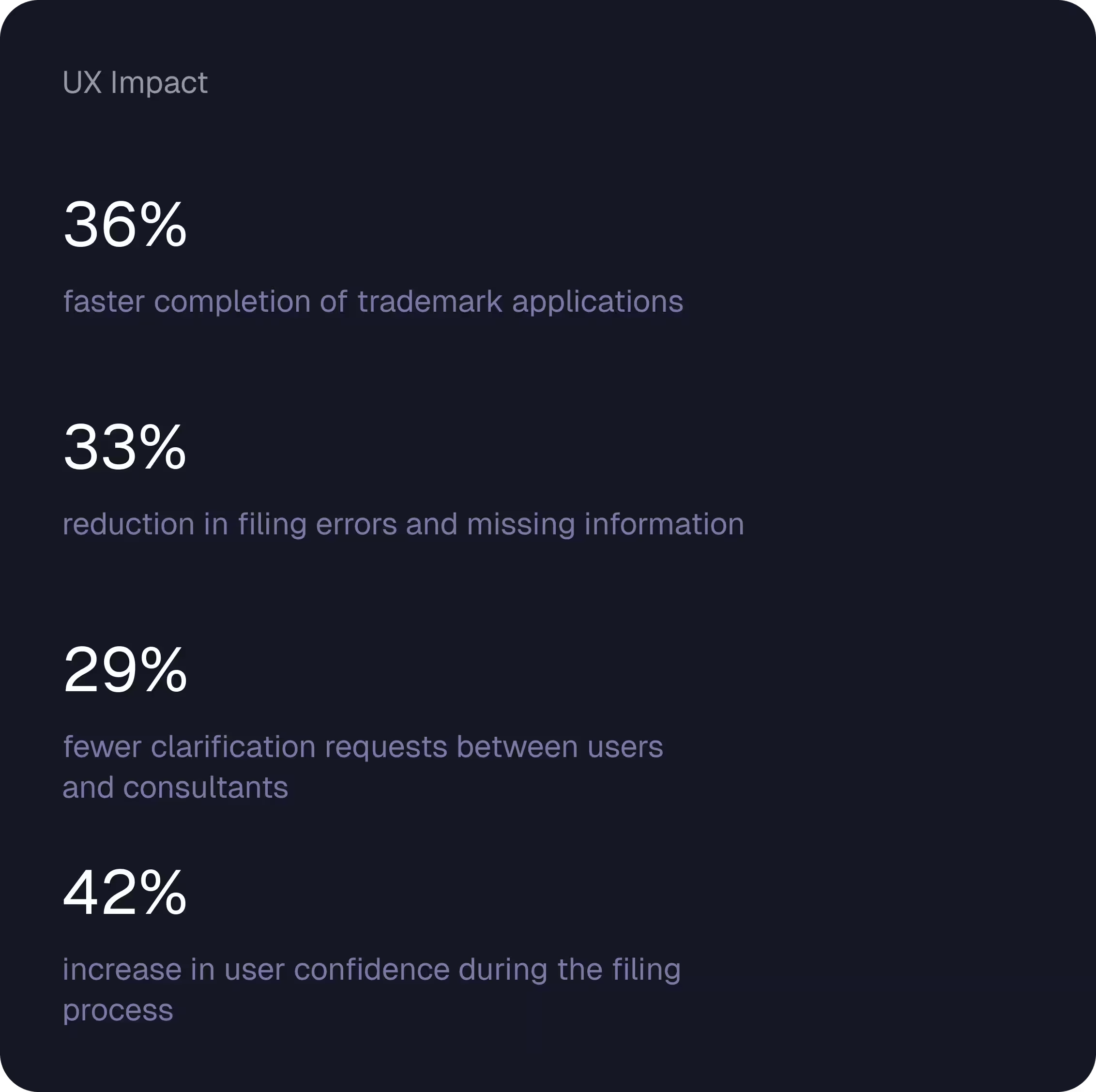
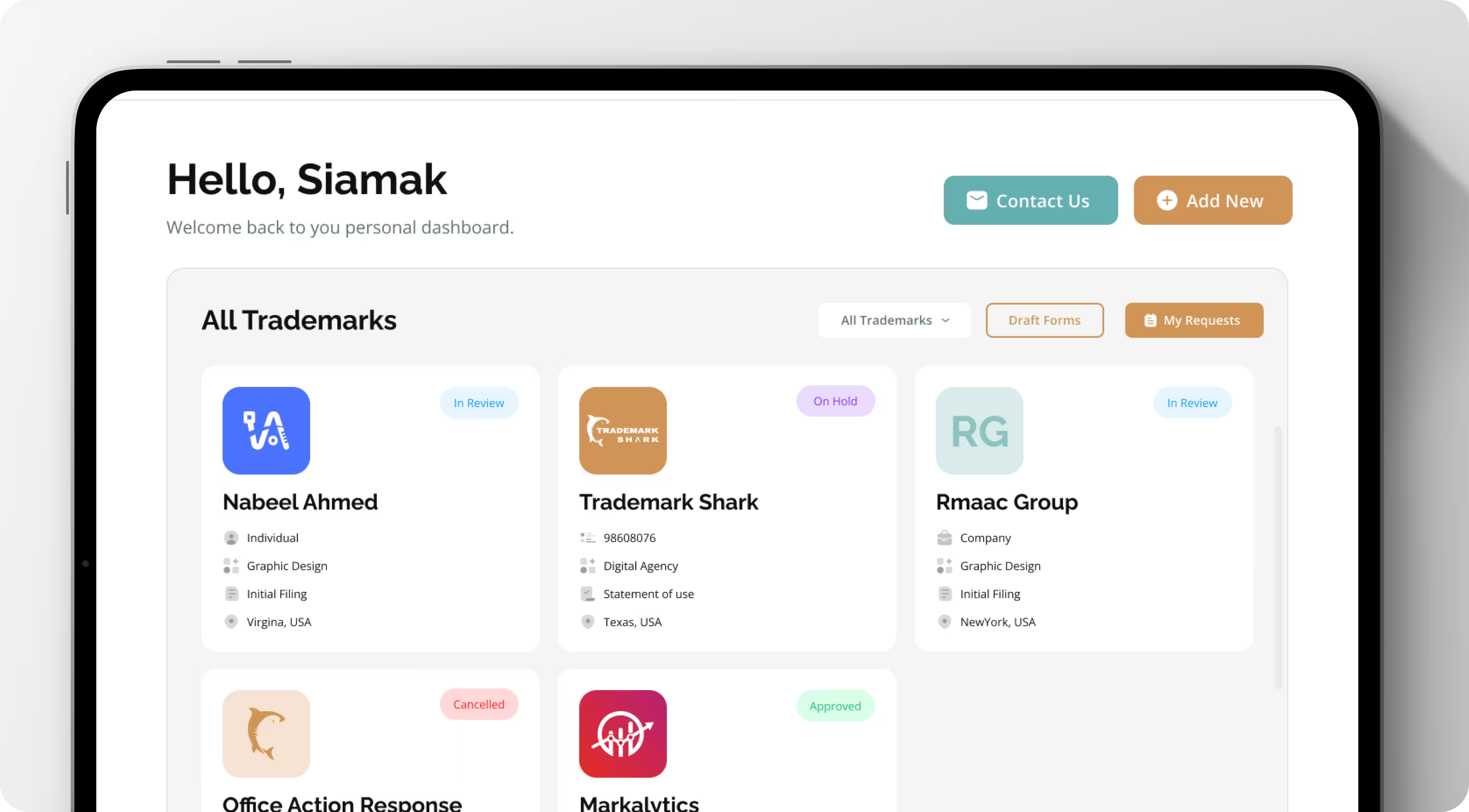
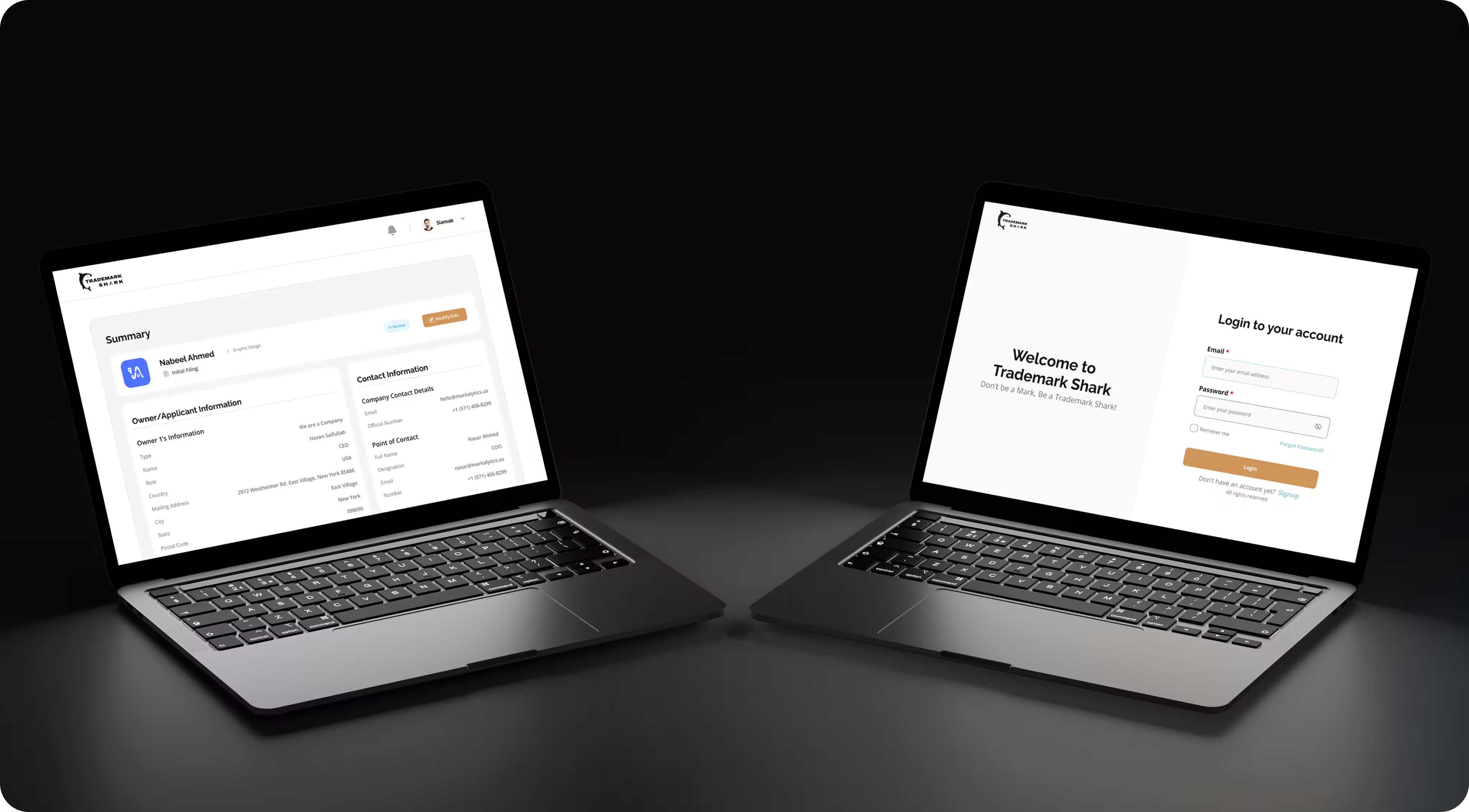
Trademark Shark transformed a traditionally manual, error-prone legal service into a structured, digital-first product. By aligning UX, system logic, and expert review, the platform delivered measurable improvements across efficiency, accuracy, and user experience. The end result was a scalable solution that reduced risk, saved time, and improved success rates for both applicants and the consultant.
Duration
1 month
Industry
Healthcare/Wellness
Impact
400% Increased Conversion
Impact
United States
Duration
1 month
Industry
Healthcare/Wellness
Impact
400% Increased Conversion
Impact
United States
The Results
- Significant reduction in filing errors through guided forms and pre-submission validation.
- Lower rejection and office action rates due to expert-led review before USPTO submission.
- Faster case turnaround time by eliminating back-and-forth communication and manual paperwork.
- Improved form completion rates through structured flows and progress visibility.
- Scalable consultant workflow, allowing more cases to be handled without increasing overhead.

Have a Project like this?
Turn your vision into a digital product that engages, converts, and scales.


Oops! Something went wrong while submitting the form.
